
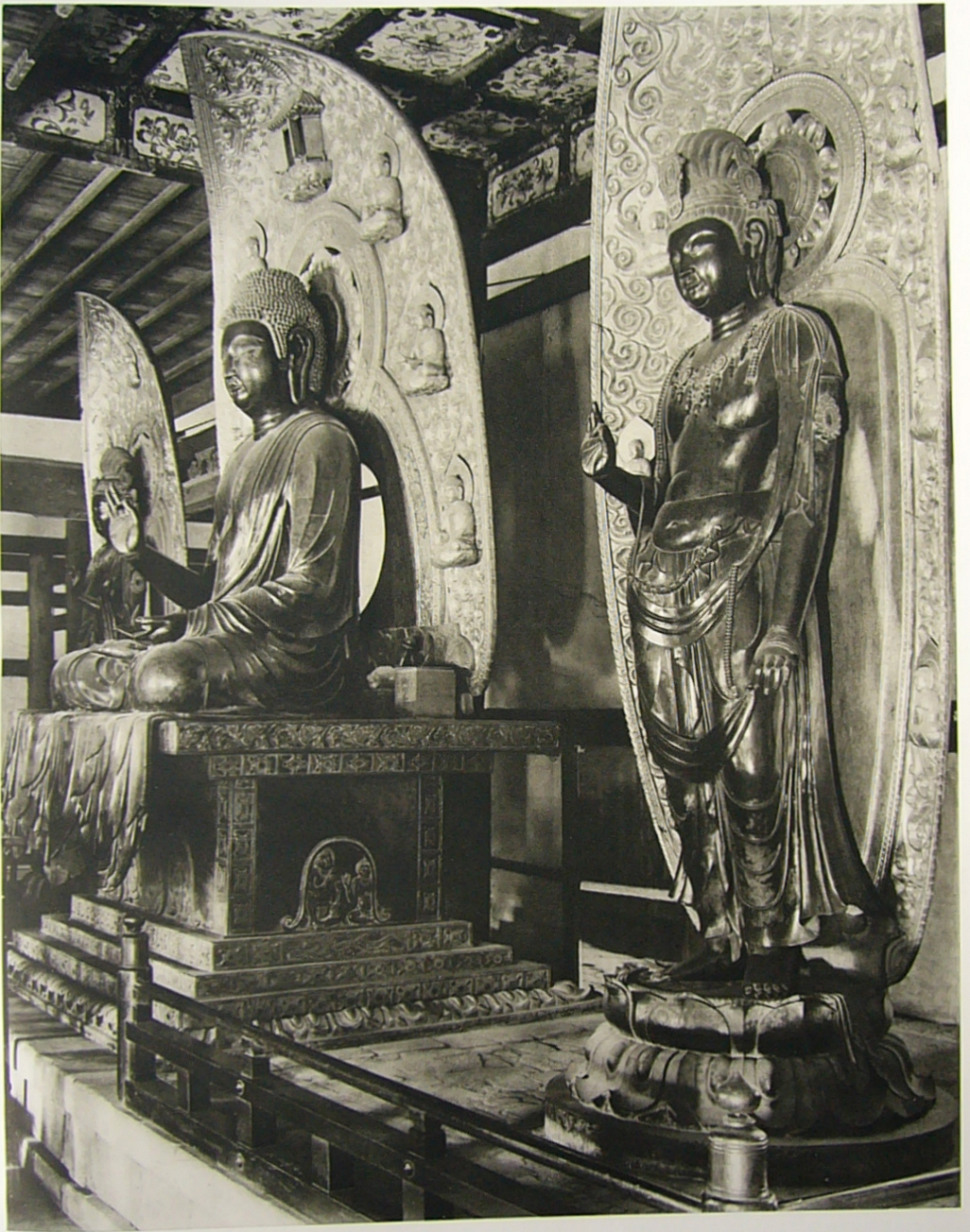
The Yakushi Triad: Japan’s Ancient Icons of Healing
In the quiet, incense-filled halls of Japan’s most ancient temples, travelers often encounter a magnificent trio of golden or bronze statues radiating a sense of profound calm. This is the Yakushi Triad (known in Japanese as Yakushi Sanzon), a grouping of deities dedicated to the healing of the mind and body. For centuries, emperors, samurai, and commoners alike have knelt before these figures, praying for relief from illness and the prolongation of life.
For the cultural traveler, understanding the Yakushi Triad unlocks a deeper appreciation of Japanese art and the spiritual history of the Nara and Kyoto regions. Beyond mere statues, they represent a civilization’s enduring hope for health and salvation.
Origins and Symbolism
The concept of the Yakushi Triad stems from Mahayana Buddhism, which traveled from India through China and Korea before arriving in Japan in the 6th century. The central figure is Yakushi Nyorai (Sanskrit: Bhaisajyaguru), commonly known as the “Medicine Buddha.” He is the Doctor of Souls, ruling over the Pure Land of Lapis Lazuli in the East.
What makes the “Triad” composition specific is the presence of his two loyal attendants:
- Nikko Bosatsu (The Sunlight Bodhisattva): Standing to the left of Yakushi, Nikko represents the light of the sun, illuminating the darkness of ignorance and suffering.
- Gakko Bosatsu (The Moonlight Bodhisattva): Standing to the right, Gakko represents the soothing, cooling light of the moon, offering comfort to those in pain.
Together, they symbolize the universal reach of the Medicine Buddha’s healing power—available day and night, encompassing the entire cosmos. In iconography, Yakushi usually holds a medicine jar in his left hand, while his right hand forms a mudra (gesture) of granting protection. The attendants often stand in a relaxed tribhanga (three-bend) posture, contrasting with the Buddha’s immovable stability.
Legend of the Emerald Healer
The mythology surrounding the Yakushi Triad is deeply rooted in the Yakushi Sutra. According to scripture, while Yakushi was still a Bodhisattva striving for enlightenment, he made Twelve Great Vows. These vows included promises to heal those born with deformities, to cure the sick, to provide food for the hungry, and to lead the wayward back to the righteous path.
Legend holds that the Sunlight and Moonlight Bodhisattvas were originally human brothers who, moved by the suffering of the world, dedicated themselves to aiding the Medicine Buddha. They lead a retinue of twelve heavenly generals (the Juni Shinsho), who correspond to the twelve hours of the day and the twelve animals of the Zodiac. This entourage emphasizes that the protection of the Yakushi Triad is timeless, guarding the faithful at every hour of the day.
In early Japanese history, during periods of plague or imperial illness, the Emperor would commission the creation of a Yakushi Triad. The most famous example, found at Yakushiji Temple in Nara, was commissioned by Emperor Tenmu in the late 7th century to pray for the recovery of his sick wife, Empress Jito.
Modern Culture and Worship
While modern medicine has replaced faith healing for physical ailments, the Yakushi Triad remains a vital part of Japanese spiritual culture. In a high-stress modern society, many Japanese people visit these statues seeking mental healing and relief from anxiety. The “medicine” Yakushi offers is interpreted not just as physical cures, but as the wisdom to overcome the “three poisons” of Buddhism: greed, anger, and ignorance.
You will often see the Yakushi Triad featured in museum exhibitions as pinnacles of Buddhist art. However, they are most powerful in their religious context. On the 8th day of every month, known as Yakushi-ennichi, special services are held at temples dedicated to him, where monks burn cedar sticks (goma fire rituals) to invoke the triad’s purifying power.
Traveler’s Tips: Where to See the Yakushi Triad
If you wish to see these masterpieces face-to-face, plan a trip to the Kansai region. Here are the most significant locations:
1. Yakushiji Temple (Nara)
This is the premier location for viewing the Yakushi Triad. The bronze statues here date back to the Hakuho period (late 7th to early 8th century) and are considered National Treasures. The statues are famous for their black, lustrous shine—the result of centuries of incense smoke and oxidation—and the exquisite drapery of their robes.
2. Horyuji Temple (Nara)
The main hall (Kondo) of Horyuji houses a Yakushi Nyorai statue with an inscription dating it to 607 AD. While the attendants here have varied over centuries, the site provides a look at the very dawn of Yakushi worship in Japan.
3. Toji Temple (Kyoto)
The main hall contains a massive wooden Yakushi Triad carved in the Momoyama period. The dramatic scale and the dimly lit atmosphere create an awe-inspiring experience.
Etiquette Tip: When visiting these statues, remember that they are active objects of worship. Photography is strictly prohibited inside the temple halls. Stand quietly, observe the details, and if you feel inclined, offer a small coin and a silent prayer for the health of your loved ones.
Sources & Further Reading
- The Nihon Shoki (Chronicles of Japan): While primarily a history of the Imperial line and Shinto kami, this text records the official introduction of Buddhism to Japan in 552 AD and the subsequent conflicts and acceptance of these “foreign deities” for the protection of the state.
- The Yakushi Sutra (Sutra of the Medicine Buddha): The primary canonical text detailing the Twelve Vows of Bhaisajyaguru.
- Yakushiji Temple Official Records: Historical accounts regarding Emperor Tenmu’s commission of the triad for Empress Jito’s recovery.