
Shinigami: Unveiling the Mystery of Japanese Death Spirits
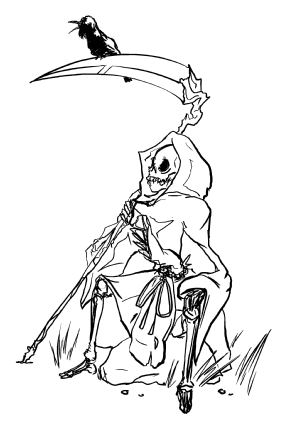
When Western travelers hear the word “death god,” they often picture the cloaked Grim Reaper wielding a scythe. However, in Japan, the concept of the Shinigami (死神) is far more complex, weaving together strands of Buddhism, Shinto folklore, and literary invention. From the eerie whispers in Edo-period puppet theater to the notebook-wielding entities of modern anime, the Shinigami represents a fascinating intersection of Japan’s spiritual history and pop culture.
The Origins of the Death God
Unlike many deities in the Japanese pantheon, the Shinigami is a relatively new addition to the spiritual landscape. You will not find a specific “God of Death” named Shinigami in Japan’s most ancient creation myths. Instead, the concept evolved over centuries through a syncretic blend of influences.
Shinto and Buddhist Roots
In Shinto, death is generally viewed as kegare (impurity/pollution). While there isn’t a singular Shinigami in ancient Shinto, the primordial goddess Izanami is often cited as a precursor. After dying and descending to Yomi (the Underworld), she vowed to kill 1,000 people a day in revenge against her husband, Izanagi. While she is a bringer of death, she is a creation deity rather than a mere reaper.
The specific term “Shinigami” likely gained traction through the influence of Buddhism. It may be derived from the concept of Mrtyu-mara, a demon that tempts humans toward death, or entities that possess humans to cause confusion and self-destruction.
The Legend: Possession and Fate
The Shinigami really came into its own during the Edo period (1603–1867), specifically through literature and theater. Unlike the Western Grim Reaper who judges souls or escorts them to the afterlife, the traditional Japanese Shinigami was often depicted as a malicious spirit that possessed living humans to drive them toward death.
The Double Suicide Connection
In the famous Bunraku (puppet theater) plays of Chikamatsu Monzaemon, Shinigami are mentioned as spirits that cloud the minds of lovers, pushing them toward shinju (double suicide). In works like The Love Suicides at Amijima, characters speak of being “possessed by a god of death,” turning the entity into a metaphor for an irresistible, tragic fate.
The Rakugo Tale
Perhaps the most defining legend comes from Rakugo (traditional comic storytelling). There is a famous story titled “Shinigami,” which is actually an adaptation of the Grimm Brothers’ tale Godfather Death. In this story, a Shinigami appears to a man and shows him candles representing human lifespans. This story popularized the idea of the Shinigami as a trickster or a bureaucrat of life and death, rather than a terrifying monster.
Shinigami in Modern Culture
For most global travelers, the introduction to Shinigami comes not from ancient scrolls, but from manga and anime. Post-war Japanese pop culture completely reinvented these spirits.
From Spirits to Superheroes
- Death Note: Here, Shinigami like Ryuk are bored, apple-loving interdimensional beings who extend their own lives by writing human names in notebooks. They are grotesque yet oddly bureaucratic.
- Bleach: This series reimagines Shinigami as “Soul Reapers”—samurai-like guardians who purify hollows (evil spirits) and guide souls to the Soul Society.
- Soul Eater: Portrays them in a more stylized, academy-setting fantasy.
These modern interpretations have softened the image of the Shinigami, transforming them from terrifying spirits of possession into complex characters with jobs, hierarchies, and personalities.
Traveler’s Tips: Experiencing the Supernatural
Since Shinigami are not traditional Shinto Kami (gods) to be worshipped, you will not find “Shinigami Shrines” in Japan. Praying to a death god is considered taboo and bad luck. However, travelers interested in the darker side of Japanese spirituality can visit specific locations:
- Mt. Osore (Osorezan): Located in Aomori Prefecture, this is considered the entrance to the afterlife. It is a desolate, sulfurous landscape where Itako (blind mediums) summon the spirits of the dead.
- Yasukuni Shrine (Tokyo): While political, it is a major site dedicated to the spirits of those who died for the country, offering insight into how death is honored.
- Rakugo Theaters: Visit a theater in Tokyo (like the Suzumoto Engeijo in Ueno) to see if you can catch a performance of the classic “Shinigami” story.
- Obon Festival: Visiting Japan in mid-August allows you to witness Obon, where families welcome back ancestor spirits. It is a celebration of life and death, stripping away the fear often associated with the Grim Reaper.
Sources & Further Reading
For those wishing to delve deeper into the historical and mythological context of death in Japan, the following texts are essential:
- The Kojiki (Records of Ancient Matters): Contains the myth of Izanami and her descent to the underworld.
- The Nihon Shoki (The Chronicles of Japan): Offers parallel myths regarding the origins of Japan and its deities.
- Major Plays of Chikamatsu: For insight into how the “god of death” was viewed in Edo-period literature.
- Japanese Ghost Stories (Lafcadio Hearn): A classic collection of supernatural folklore, including tales of spirits and the afterlife.