
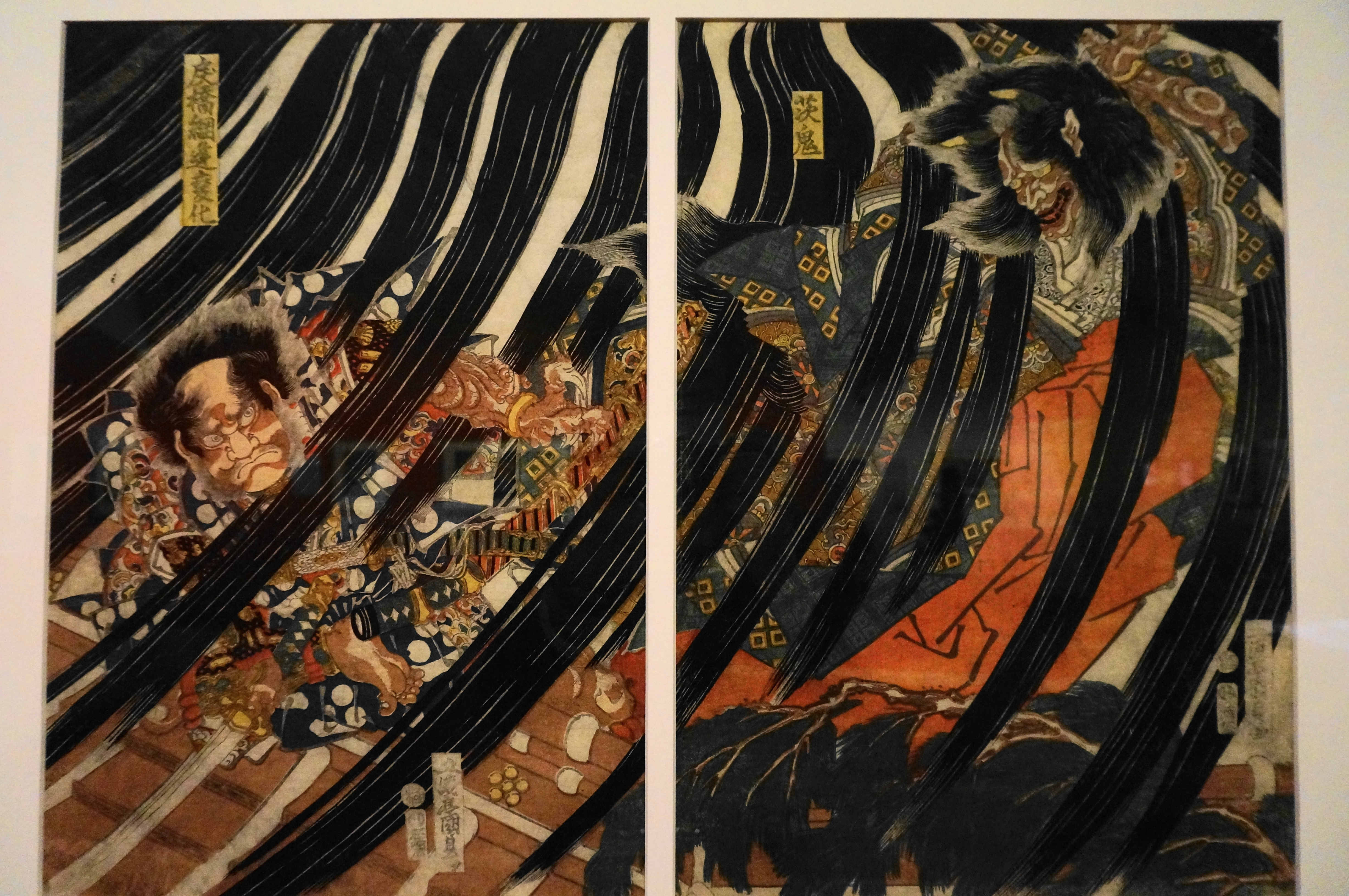
Hashihime: The Jealous Bridge Oni of Uji
Japan is a country where the line between the physical and the spiritual is often delightfully blurred. Nowhere is this more evident than on its bridges. In Japanese folklore, bridges are not merely infrastructure; they are liminal spaces separating the human world from the supernatural. Among the many spirits that haunt these crossings, none is more famous—or fearsome—than the Hashihime, or the “Bridge Princess,” often depicted as a vengeful Bridge Oni.
While the name sounds royal, the legend of the Hashihime of Uji is a chilling tale of jealousy, transformation, and the consuming power of rage. For travelers heading to Kyoto and the tea-famous district of Uji, understanding this folklore adds a profound, if slightly eerie, depth to the picturesque scenery.
Origins: Guardians Turned Demons
The term Hashihime originally referred to benevolent guardian spirits of bridges. In ancient Shinto traditions, it was common to enshrine a deity near a bridge to protect the structure from floods and the travelers crossing it. These deities were often female, representing the water’s fluidity and power.
However, as the Heian period (794–1185) progressed, the nature of the Hashihime in literature and folklore shifted. She evolved from a protective goddess into a yokai (supernatural monster) born of intense human emotion. The most enduring iteration is the Hashihime of Uji Bridge, a woman whose jealousy was so potent it transformed her into a living Oni (demon).
The Legend of the Iron Crown
The most famous account of the Bridge Oni comes from the Muromachi period tale, The Tale of the Heike, and is later immortalized in the Noh play Kanawa (The Iron Crown).
According to the legend, a noblewoman lived a happy life until her husband abandoned her for a younger, more beautiful mistress. Consumed by envy and a thirst for revenge, the woman visited the Kifune Shrine for seven nights. She prayed to the resident deity to transform her into a demon so she could kill her ex-husband and his new lover.
The deity, moved by the sheer intensity of her hatred, answered her prayer. He instructed her to dress in red, smear her face with vermilion, and wear an overturned iron trivet (a three-legged stand) on her head with burning candles attached to the legs. She was then to immerse herself in the Uji River for twenty-one days.
She followed the instructions. As she soaked in the cold waters, her heart hardening with every passing moment, she transformed. Her fingers became claws, her skin turned monstrous, and the iron trivet fused to her skull, becoming the horns of an Oni. She became the Hashihime, the Bridge Princess of Uji, and unleashed her wrath upon the couple.
Modern Culture and the “Severing” Shrine
Today, the legend of the Hashihime persists, though her role has shifted once again in the modern cultural consciousness. She is a prominent figure in pop culture, appearing in anime, manga, and the renowned Tale of Genji, which features a chapter titled “Hashihime.”
In Uji, there is a small shrine dedicated to her, the Hashihime Shrine, located near the Uji Bridge. Interestingly, due to her history of destroying relationships, she is now worshipped as a deity of uen-kiri (severing ties). While this sounds negative, many modern visitors pray to her to help them break off bad relationships, end stalking situations, or even sever bad habits like gambling or smoking.
However, old superstitions die hard. It is still said that couples should not walk across the Uji Bridge together, or at least they should avoid praising the view or the bridge itself while crossing, lest they incite the jealousy of the lonely Bridge Oni.
Traveler’s Tips: Visiting Uji
If you are planning a trip to Kyoto, Uji is a must-visit day trip, located just 20 minutes by train from Kyoto Station. Here is how to experience the legend:
- Walk the Uji Bridge: First built in 646, it is one of the oldest bridges in Japan. Stand in the center and look at the misty mountains; it is easy to see why legends were born here.
- Visit Hashihime Shrine: Located just a short walk from the bridge. It is small and quiet. If you visit, be respectful—many ema (votive plaques) there contain serious prayers about ending difficult relationships.
- The Tale of Genji Museum: Located nearby, this museum offers context on the Heian era court culture that birthed these tales.
- Buy Uji Tea: Uji is the premier matcha region of Japan. After exploring the spooky folklore, warm up with premium green tea at a riverside teahouse.
Sources & Further Reading
For those interested in delving deeper into the historical and literary roots of the Bridge Oni, the following texts are essential:
- The Tale of the Heike (Heike Monogatari): Contains the “Swords” chapter which details the transformation of the woman into the Uji Hashihime.
- Kokin Wakashu: An early imperial anthology of waka poetry that references the loneliness of the Bridge Princess.
- The Tale of Genji: Written by Murasaki Shikibu, the chapter “Hashihime” uses the figure as a metaphor for loneliness and waiting.
- Nihon Shoki (Chronicles of Japan): While not referencing the specific Uji demon, this ancient text (along with the Kojiki) provides the foundational understanding of Kami and nature spirits that evolved into the folklore we know today.