
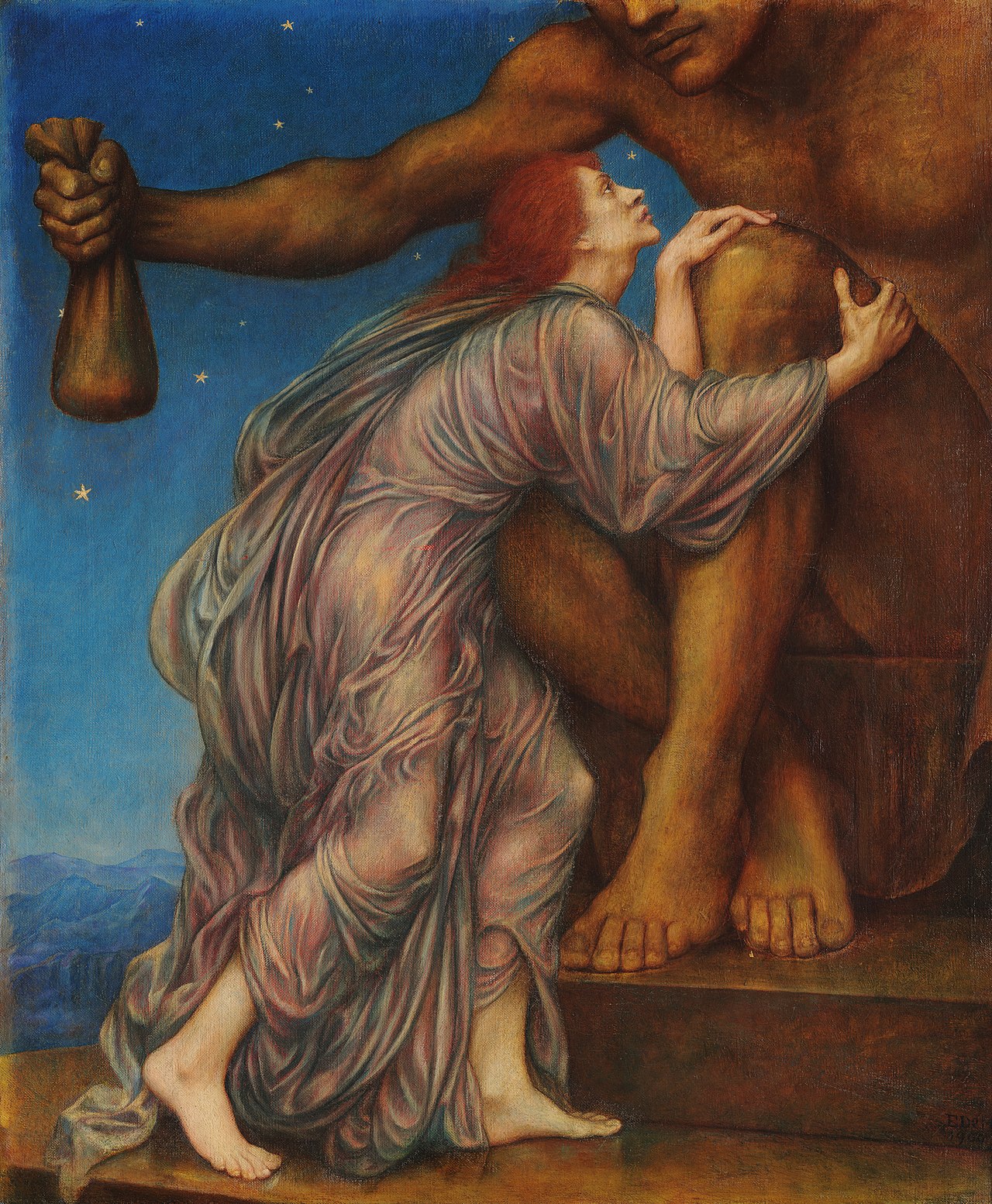
The Mind of Greed: Ton’yoku in Japanese Culture
When travelers imagine Japan, they often picture the serene minimalism of a Zen garden, the disciplined silence of a tea ceremony, or the selfless hospitality known as omotenashi. However, Japanese culture is deeply rooted in the understanding of the human condition, including its darker aspects. One of the most significant concepts in this philosophical landscape is Ton’yoku (貪欲), or the “Mind of Greed.”
Understanding how Japan views greed—not just as a desire for money, but as a spiritual poison—offers a fascinating layer of depth to your travels. It explains the cautionary tales in folklore, the specific designs of temple statues, and even modern social etiquette.
Origins: The Poison of the Soul
To understand Ton’yoku, one must look to the foundations of Japanese Buddhism. In Buddhist teachings, greed is not merely a bad habit; it is one of the “Three Poisons” (Sandoku), alongside anger (Jin) and ignorance (Chi).
Ancient texts warn that the Mind of Greed binds the soul to Samsara, the endless cycle of suffering and rebirth. Unlike the Western capitalistic view where ambition is often celebrated, traditional Japanese philosophy views Ton’yoku as an insatiable thirst—like drinking saltwater to quench thirst, only to become thirstier.
This concept deeply influenced the samurai class and the aristocracy of the Heian and Edo periods. While wealth was necessary, the display of greed was considered vulgar. This cultural suppression of Ton’yoku gave birth to the aesthetic of wabi-sabi (finding beauty in simplicity) as a direct counter-balance to the desire for material perfection and excess.
Legend: The Heavy Box of the Sparrow
Japanese folklore (Mukashi Banashi) is riddled with warnings about the Mind of Greed. Perhaps the most famous illustration is the tale of Shita-kiri Suzume, or “The Tongue-Cut Sparrow.”
In the story, a kind old man cares for an injured sparrow, while his greedy, spiteful wife drives it away. When the old man visits the sparrow’s inn in the mountains, the bird offers him a gift: a choice between a small, light wicker box and a large, heavy chest. The humble man chooses the small box, which turns out to be filled with gold and gems.
Hearing this, the greedy wife rushes to the sparrow, demands a gift, and chooses the heaviest chest available, assuming it contains the most treasure. Dragging it home with the weight of her Ton’yoku, she opens it only to find it filled with snakes, centipedes, and demons.
The moral is a cultural staple: the Mind of Greed blinds one to reality, transforming potential blessings into burdens and curses. You will see this theme repeated in Noh theater and Kabuki plays, where characters consumed by desire often transform into literal demons.
Modern Culture: From Bubble to Balance
How does Ton’yoku manifest in modern Japan? The late 20th century saw the “Bubble Economy,” where the traditional restraint against greed was temporarily forgotten in a frenzy of luxury goods and real estate speculation. When the bubble burst, it forced a cultural reckoning and a return to more modest values.
Today, you can see the battle against the Mind of Greed in the concept of Mottainai (a sense of regret over waste). It is the cultural antithesis to consumerist greed. Furthermore, popular culture continues to explore this theme. In Hayao Miyazaki’s Spirited Away, the character “No-Face” (Kaonashi) represents pure Ton’yoku; he offers gold to win affection and devours everything in sight, only to become a bloated, unhappy monster. He is only saved when he purges what he has consumed—a modern retelling of ancient Buddhist wisdom.
Traveler’s Tips: Seeing the Signs
As a traveler, you can observe the cultural mechanisms designed to keep the Mind of Greed in check:
- The “Enryo” Piece: When dining with a group at an Izakaya (Japanese pub), you will often see one last piece of food left on the shared plate. No one wants to take it. This is a practice of enryo (restraint), ensuring one does not appear greedy by taking the final share.
- Temple Statues: Visit the Sanjusangendo in Kyoto or fierce gate guardian statues (Nio) at various temples. These terrifying expressions are often meant to scare away the Three Poisons, including greed, from the hearts of pilgrims.
- Omamori: At shrines, you can buy amulets. While many are for luck, some are specifically for “warding off evil,” which includes internal vices like uncontrollable desire.
Sources & Further Reading
To deepen your understanding of the spiritual context of greed in Japan, consider exploring the following:
- The Nihon Shoki (Chronicles of Japan): For early Shinto perspectives on purity and pollution.
- The Dhammapada: For the foundational Buddhist verses on the Three Poisons.
- Japanese Tales by Royall Tyler: An excellent collection of medieval stories often featuring karmic retribution for greed.
- Essays in Idleness (Tsurezuregusa) by Yoshida Kenko: A classic text on the beauty of simplicity and the folly of material attachment.