
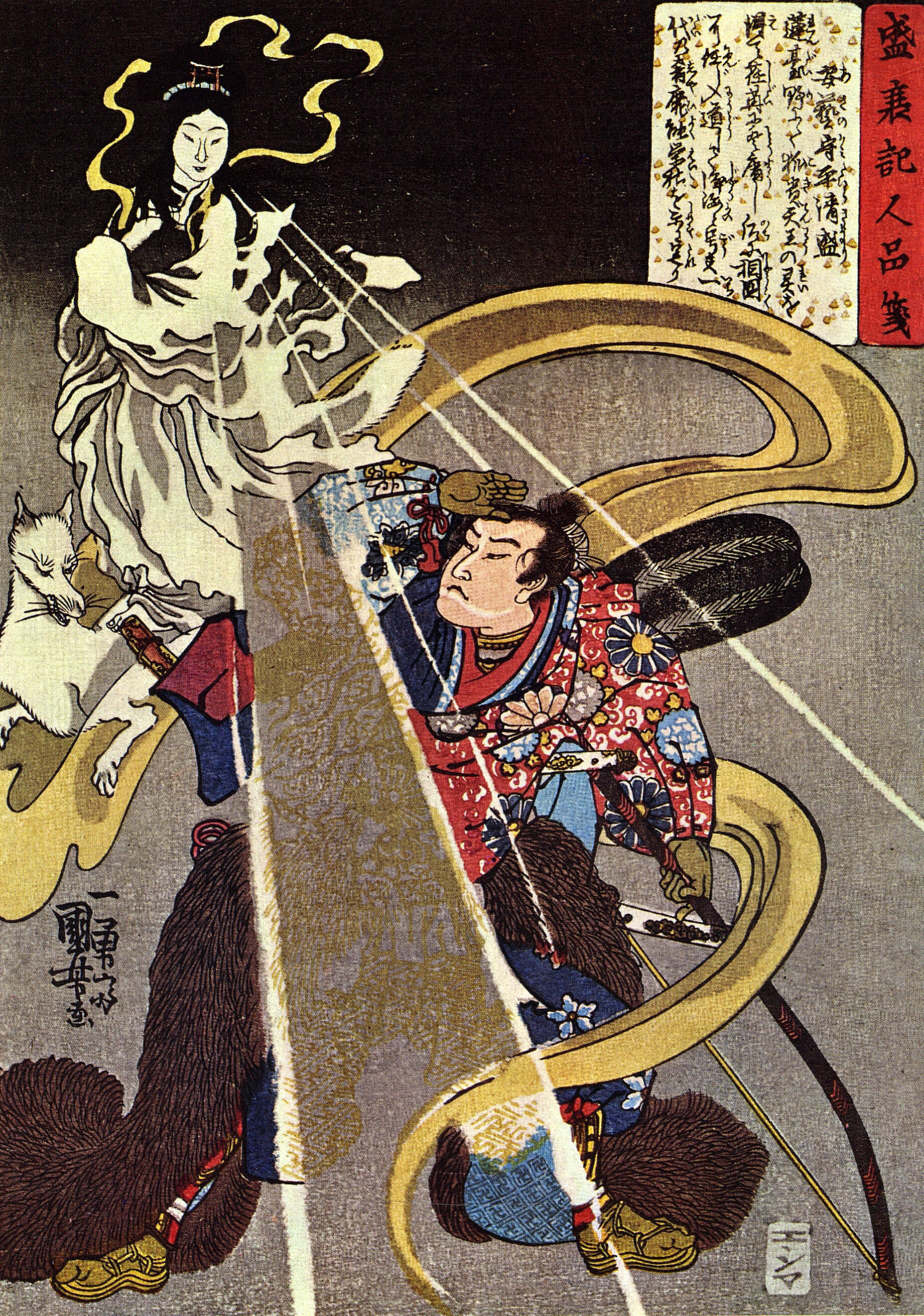
The Fox of Inari: Guardians of Japan’s Sacred Shrines
Walk into any major Shinto shrine in Japan, and you are likely to encounter a familiar sight: pair upon pair of stone statues depicting foxes, sitting stoically with alert ears and bushy tails. These are the Kitsune of Inari, the enigmatic messengers of one of Japan’s most important deities. For travelers visiting iconic spots like Kyoto’s Fushimi Inari Taisha, the endless vermilion torii gates are breathtaking, but it is the silent gaze of the stone foxes that holds the true spiritual weight of the location.
Understanding the “Fox of Inari” is essential to decoding the Japanese landscape. Far from being simple folklore creatures, these foxes represent a complex blend of agricultural history, religious syncretism, and modern cultural identity.
Origins of the Inari Cult
The worship of Inari Okami dates back over a millennium, deeply rooted in the agrarian lifestyle of ancient Japan. Inari is primarily the kami (spirit or god) of rice, tea, agriculture, and fertility. In a society historically dependent on rice cultivation, Inari became a paramount figure for survival and prosperity.
But why the fox? The association is believed to stem from natural observation. In ancient Japan, foxes would descend from the mountains into the rice paddies during the spring and summer. As natural predators of rats and field mice—pests that could decimate a precious rice harvest—foxes were seen as guardians of the grain. Farmers began to view their arrival as a sign of protection from the gods, eventually solidifying the fox’s status as the divine messenger (tsukai) of Inari.
It is a common misconception among visitors that the fox is the god. In Shinto theology, the fox is merely the servant or vehicle for Inari Okami, though the line often blurs in popular folk belief.
The Legend of the White Fox
In Japanese folklore, not all foxes are created equal. They are generally categorized into two types: yako (field foxes), which are often mischievous or malevolent, and zenko (good foxes), which are benevolent and associated with the divine. The Inari fox is almost exclusively a zenko.
The Invisible Spirit
Legend holds that the true messengers of Inari are white foxes (byakko). However, these are not biological animals but spiritual entities. Because they are invisible to the human eye, the stone statues we see at shrines are merely physical representations to help humans focus their worship.
Symbols and Offerings
You will often notice these statues wearing red bibs, known as yodarekake. In Shinto, red is a color that expels demons and illness. The items held in the foxes’ mouths also carry specific meanings:
- A Key: Represents the key to the rice granary.
- A Scroll: Symbolizes wisdom or the teachings of the gods.
- A Jewel: Represents the spirit of the gods or abundance.
- A Sheaf of Rice: Signifies a bountiful harvest.
Modern Culture and Commerce
As Japan modernized, the role of Inari evolved. While agriculture is still central, Inari Okami is now widely worshipped as the patron of business, industry, and general prosperity. It is not uncommon to see small Inari shrines on the rooftops of corporate skyscrapers in Tokyo or in the backrooms of traditional shops.
The fox remains a potent cultural icon. In anime and manga, characters often channel the mystical powers of the kitsune, reflecting the creature’s shape-shifting abilities found in older folklore. Furthermore, the culinary world pays homage to this history with Inari-zushi—sushi rice stuffed into pockets of sweet, deep-fried tofu. Folklore suggests that fried tofu (aburaage) is the favorite food of the fox, making it a popular offering at shrines.
Traveler’s Tips: Where to See the Inari Fox
If you are planning a trip to Japan, engaging with the culture of the Inari fox offers a deeper travel experience. Here are top recommendations:
Fushimi Inari Taisha (Kyoto)
The head shrine of all 30,000 Inari shrines in Japan. Beyond the famous Senbon Torii (thousands of gates), look for the diverse expressions on the countless fox statues.
Toyokawa Inari (Aichi)
This is a fascinating destination because it is technically a Buddhist temple (Myogon-ji) that enshrines a deity syncretized with Inari. It highlights the Shinbutsu-shugo (fusion of Shinto and Buddhism) era. The “Hill of Foxes” here, populated by hundreds of stone statues, is eerily beautiful.
Etiquette
When visiting, treat the stone foxes with respect. Do not climb on them. If you wish to make an offering, purchasing a small bottle of sake or a piece of fried tofu from nearby vendors is considered appropriate.
Sources & Further Reading
To deepen your understanding of the Shinto pantheon and the historical context of Inari, the following texts and resources are invaluable:
- The Kojiki (Records of Ancient Matters): The oldest extant chronicle in Japan (712 AD). It references Ukanomitama-no-Kami, the deity most commonly identified as Inari Okami.
- The Nihon Shoki (The Chronicles of Japan): Completed in 720 AD, this text provides parallel mythologies that help contextualize the agricultural deities.
- Smyers, Karen A. (1999). The Fox and the Jewel: Shared and Private Meanings in Contemporary Japanese Inari Worship. This is the definitive English-language academic text on Inari worship.
The Inari fox is more than a statue; it is a bridge between the wild mountains and human civilization, guarding the boundary between the mundane and the divine.