
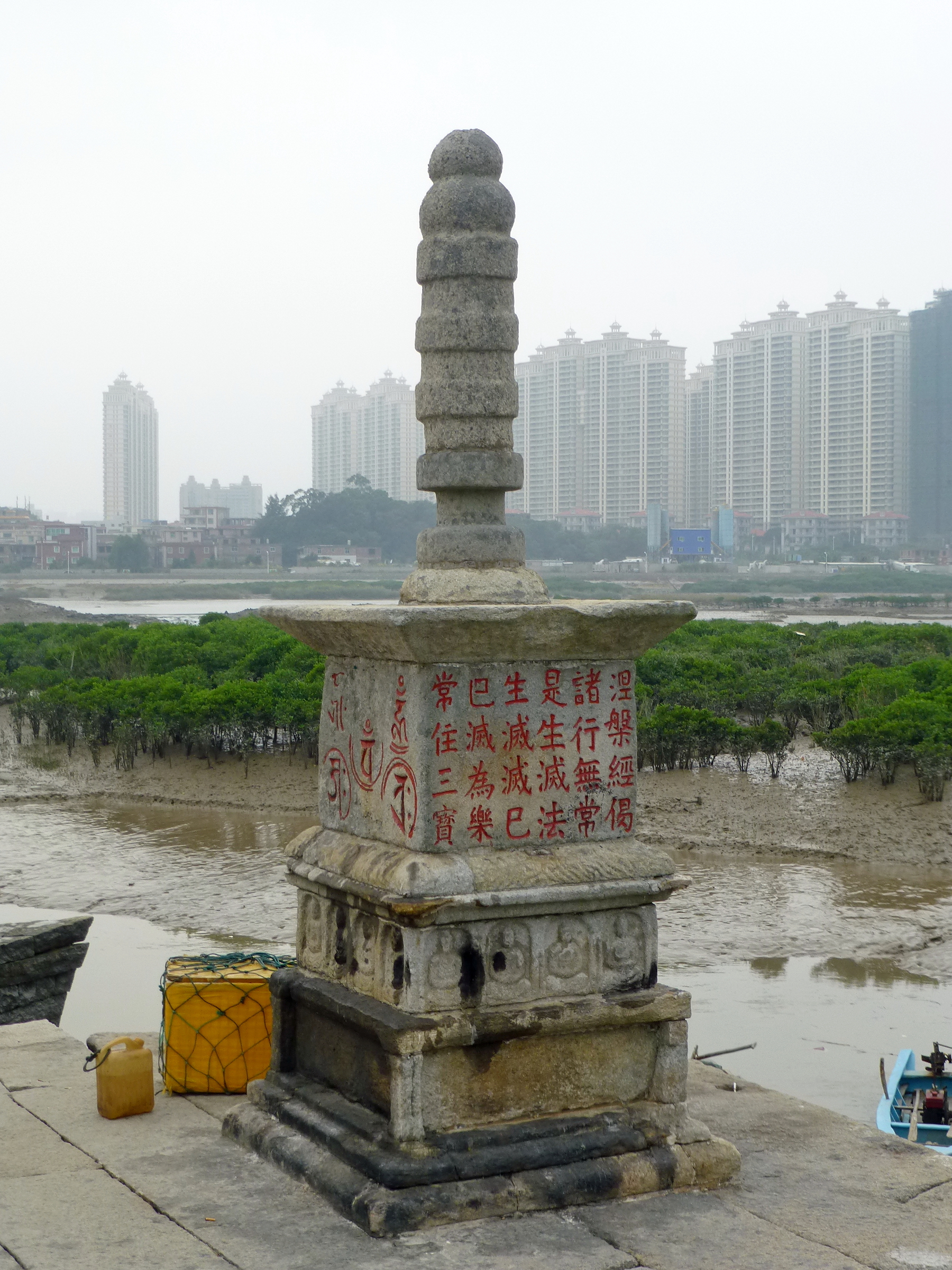
The Beauty of Impermanence: Understanding Ze Sho Metsu Po
When travelers visit Japan, they are often struck not just by the ancient temples and neon skylines, but by a pervasive, underlying mood—a gentle appreciation for things that are fleeing. Whether it is the obsession with the short-lived cherry blossoms in spring or the melancholic beauty of autumn leaves, Japanese culture is deeply rooted in the concept of impermanence. At the heart of this philosophy lies an ancient Buddhist phrase: Ze Sho Metsu Po (是生滅法), meaning “All things are born and must die.”
While this sounds somber to the Western ear, understanding this phrase unlocks a deeper appreciation of Japanese aesthetics, history, and the spiritual tranquility found in its gardens and tea houses. Here is a deep dive into the meaning of Ze Sho Metsu Po and how you can experience it on your travels.
Origins: The Law of Birth and Death
The phrase Ze Sho Metsu Po originates from the Mahaparinirvana Sutra, one of the most important texts in Mahayana Buddhism. It is part of a four-line verse (Gatha) that encapsulates the reality of existence. The full verse roughly translates to:
- Shogyo Mujo: All compounded things are impermanent.
- Ze Sho Metsu Po: This is the law of birth and death.
- Sho Metsu Metsu I: When birth and death are extinguished,
- Jakumetsu I Raku: Nirvana (tranquility) is the true joy.
In Japan, this sentiment was famously adapted into the Iroha, a poem that uses every character of the Japanese syllabary exactly once. The poem served as the standard way to teach writing in Japan for centuries, embedding the concept of Ze Sho Metsu Po into the subconscious of the culture from a very young age. It teaches that because life is transient, we must not cling to it, but rather find peace in the flow of change.
The Legend of the Snow Mountains
To understand the gravity of this phrase, one must look to the famous Buddhist legend of Sessen Doji (The Boy of the Snow Mountains), often depicted in Japanese art.
According to the legend, in a past life, the Buddha was an ascetic living in the mountains seeking the truth. The god Indra, wanting to test his resolve, appeared in the form of a terrifying demon. The demon recited the first half of the verse: “All things are impermanent; this is the law of birth and death (Ze Sho Metsu Po).”
The ascetic was so moved by the truth of these words that he begged to hear the rest. The demon replied that he was starving and would only finish the verse if he could eat the ascetic’s flesh. Without hesitation, the ascetic agreed. He carved the teaching onto a tree and rocks for others to see, then threw himself into the demon’s mouth. At that moment, the demon reverted to Indra and caught him, praising his dedication to the truth. This story underscores that understanding the nature of impermanence is considered more valuable than life itself.
Modern Culture: Finding Beauty in the Fleeting
Today, Ze Sho Metsu Po is not just a monk’s chant; it is the foundation of Mono no Aware—the pathos of things. This aesthetic sensibility values the temporary nature of life.
You see this in Kintsugi, the art of repairing broken pottery with gold lacquer. Instead of hiding the cracks (the evidence of “death” or damage), the cracks are highlighted, acknowledging that the object’s history and impermanence make it more beautiful.
It is also present in the Tea Ceremony (Sado). The phrase Ichi-go Ichi-e (one time, one meeting) reminds participants that this specific gathering, in this specific season, with this specific combination of guests, will never happen again. It is the realization of Ze Sho Metsu Po that makes the tea taste sweeter and the moment more poignant.
Traveler’s Tips: Experiencing Impermanence
If you want to feel the weight and beauty of this philosophy during your trip to Japan, consider these experiences:
- Stay at a Shukubo (Temple Lodging): Visit Mount Koya (Koyasan). Participating in the morning prayers (Gongyo) allows you to hear the rhythmic chanting of sutras where these concepts are vocalized. The mist moving through the Okunoin cemetery is a visual representation of the spiritual atmosphere.
- Chase the Seasons: Don’t just visit standard tourist spots; visit during specific natural events. Plan for Hanami (flower viewing) in April or Momijigari (autumn leaf hunting) in November. Observe how the locals picnic under the falling petals—they are celebrating the very fact that the blossoms are falling, fulfilling the law of Ze Sho Metsu Po.
- Visit Kiyomizu-dera in Kyoto: While famous for its stage, the temple is dedicated to Kannon and has deep roots in the Nirvana Sutra teachings. Stand on the wooden balcony and look out over the changing trees; it is a perfect place for contemplation.
Sources & Further Reading
For those wishing to explore the textual and historical roots of these concepts, the following works are essential:
- The Mahaparinirvana Sutra: The primary source of the verse.
- The Konjaku Monogatarishu: A collection of tales from the late Heian period that includes the story of Sessen Doji.
- Essays in Idleness (Tsurezuregusa) by Yoshida Kenko: A classic work of Japanese literature that discusses impermanence and aesthetics extensively.