
The Spirit of the Samurai: A Guide to Gogatsu Ningyo
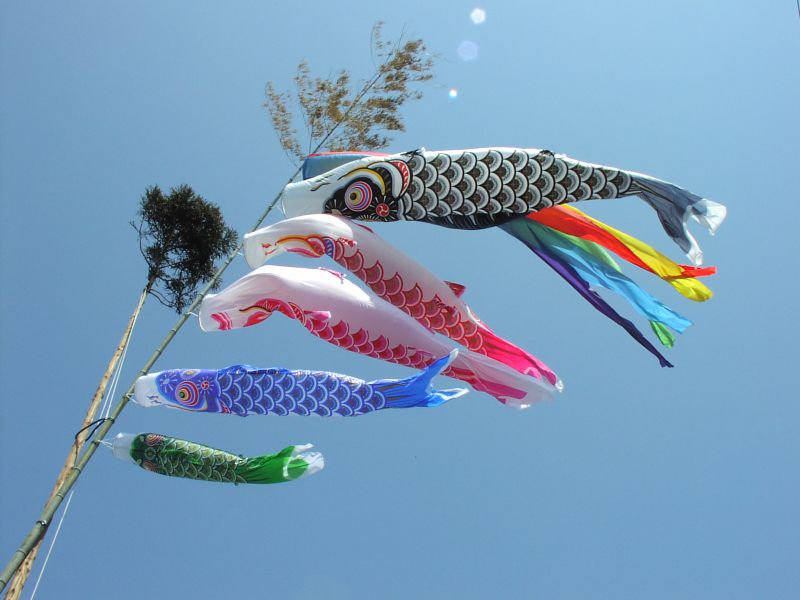
If you visit Japan during late April or early May, you will likely notice colorful carp streamers swimming in the sky and intricate samurai armor displayed in shop windows. While the carp streamers (Koinobori) are famous globally, the interior counterparts, known as Gogatsu Ningyo (May Dolls), are equally significant. These warrior dolls are the centerpiece of Kodomo no Hi (Children’s Day), embodying a family’s wish for their sons to grow up healthy, strong, and protected from misfortune.
Introduction to the Tradition
Gogatsu Ningyo literally translates to “May Dolls.” They are displayed annually in celebration of Tango no Sekku (Boys’ Festival), which is now part of the national holiday known as Children’s Day on May 5th. Unlike the Hina dolls displayed in March for girls, which represent an imperial court wedding, Gogatsu Ningyo are distinctly martial.
The displays typically feature a miniature set of samurai armor (yoroi), a helmet (kabuto), or a doll modeled after a legendary warrior or folktale hero. While they look fierce, their purpose is benevolent: the armor is meant to protect the boy from illness and accidents, serving as a spiritual shield rather than a tool of war.
Origins: From Iris Flowers to Samurai Spirit
The roots of this tradition run deep in Japanese history. Tango no Sekku originated in the Nara period (710–794) as a seasonal purification ritual intended to drive away evil spirits and disease as the rainy season approached. Originally, people used iris flowers (shobu) for these rituals due to their strong fragrance.
By the Kamakura period (1185–1333), the rise of the samurai class transformed the holiday. In Japanese, the word for iris (shobu) sounds exactly like the word for “martial spirit” or “militarism.” Consequently, the holiday evolved into a celebration of martial prowess and the health of male heirs. Samurai families began displaying armor and helmets to pray for their sons’ safety and future success. During the Edo period (1603–1867), this practice spread from the military class to wealthy merchants and commoners, cementing the tradition of the Gogatsu Ningyo we see today.
Legend and Symbolism
The figures depicted in Gogatsu Ningyo are not random soldiers; they are often specific legendary heroes chosen for their virtues.
Kintaro (The Golden Boy)
One of the most popular dolls is Kintaro, a child of superhuman strength from Japanese folklore who grew up in the mountains, befriended animals, and wrestled bears. Displaying a Kintaro doll symbolizes the wish for a boy to grow up gentle yet physically robust.
Momotaro (The Peach Boy)
Another common figure is Momotaro, who was born from a peach and defeated ogres on Onigashima Island. He represents bravery and the ability to overcome great obstacles.
Historical Warlords
Many families opt for miniature armor modeled after famous historical samurai, such as Date Masamune (famous for his crescent moon helmet crest) or Tokugawa Ieyasu. These choices often reflect a desire for the child to inherit the leadership qualities and wisdom of these historical titans. The Kabuto (helmet) is the most critical part of the display, believed to house the deity that guards the child’s soul.
Modern Culture and Display Trends
In modern Japan, housing constraints have influenced how Gogatsu Ningyo are displayed. While traditional sets involved a three-tiered platform similar to Hina dolls, few families living in urban apartments have the space for such elaborate setups today.
Consequently, the trend has shifted toward:
- Helmet-only displays: A single, high-quality Kabuto displayed in a glass case.
- Compact cases: Small, acrylic cases containing the doll and accessories that can be easily placed on a sidebar or shelf.
- Modern aesthetics: Some artisans are now creating stylish, minimalist armor sets using lighter colors or modern materials to blend with contemporary interior design.
Despite these changes, the sentiment remains unchanged. Grandparents often purchase these expensive sets for their grandsons, marking a significant family event involving celebratory meals of kashiwa-mochi (oak-leaf-wrapped rice cakes).
Traveler’s Tips
For cultural enthusiasts and travelers, Gogatsu Ningyo offer a fascinating glimpse into Japanese craftsmanship.
When to See Them
The best time to view these displays is from mid-April to May 5th. Hotels, museums, and department stores often set up grand displays in their lobbies.
Where to Buy
If you wish to purchase a doll or a miniature helmet as a souvenir:
- Iwatsuki (Saitama Prefecture): Known as the “City of Dolls,” this area has dozens of specialty shops dedicated to traditional Japanese dolls.
- Asakusabashi (Tokyo): A wholesale district famous for traditional craft shops.
- Department Stores: High-end stores like Mitsukoshi or Takashimaya host special exhibitions in April.
Tip: Full sets are heavy and fragile. Look for “Cabinet size” or miniature Kabuto made specifically for tourists, which are easier to pack.
Sources & Further Reading
To understand the deeper spiritual context of Japanese purification rituals and the mythology of heroes:
- The Kojiki and The Nihon Shoki: These ancient chronicles provide the foundation for Shinto beliefs, including the concepts of purification (misogi) that originally underpinned the Tango no Sekku festival.
- Japanese Dolls: The Fascinating World of Ningyo by Alan Scott Pate.
- The Yoshitoku Archives: Historical records from one of Japan’s oldest doll makers, dating back to the Edo period.