
The Magic of Ema: Writing Wishes on Wood in Japan
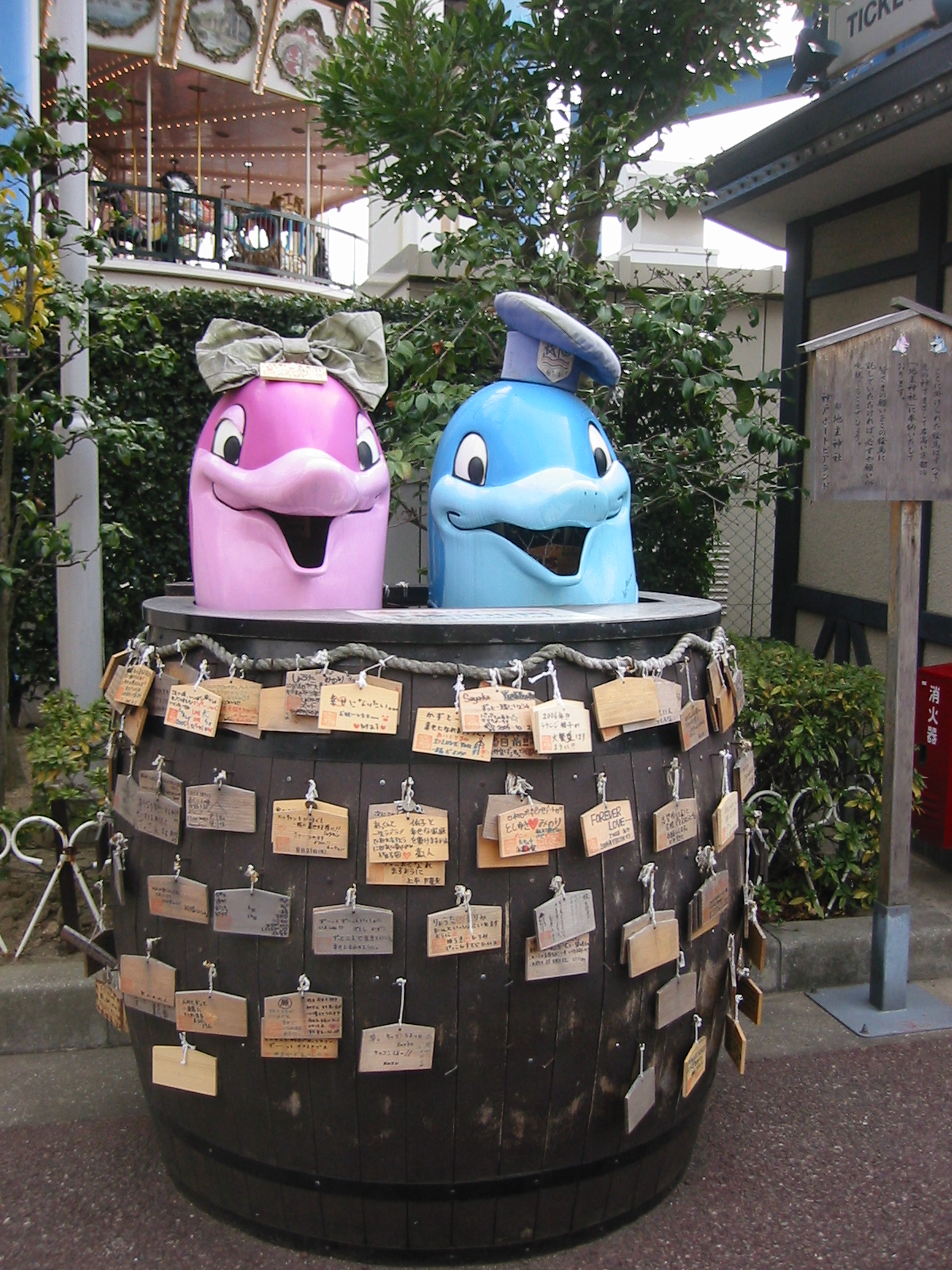
When you step into the serene precincts of a Japanese Shinto shrine or Buddhist temple, you will often hear a gentle, wooden clacking sound in the breeze. Following the noise, you find a designated corner filled with hundreds of small, wooden boards hanging from red strings. These are Ema (絵馬), the votive tablets upon which people write their prayers and wishes to the gods. From students praying for exam success to couples hoping for eternal love, the Ema represents a tangible bridge between the human and the divine.
Origins: The “Picture Horse”
The word Ema literally translates to “Picture Horse” (e meaning picture, ma meaning horse). To the uninitiated, this etymology might seem puzzling, especially when many modern plaques feature zodiac animals, anime characters, or flowers rather than horses. However, the history of this tradition is rooted deeply in the ancient relationship between the Japanese people and their deities (Kami).
In ancient Japan, horses were considered the preferred vehicles of the gods. It was believed that Kami would descend to earth riding these majestic creatures. Consequently, during periods of great importance—such as times of drought, famine, or war—the Imperial Court and wealthy aristocrats would donate living, white horses to shrines as offerings to solicit divine favor. A black horse might be offered to ask for rain, while a white horse might be offered to ask for the rain to stop.
Legend and Evolution
While offering a live horse was the ultimate display of devotion, it was also prohibitively expensive and logistically difficult for smaller shrines to maintain stables. As the practice of making offerings spread from the aristocracy to the warrior class and eventually to commoners, a substitute was needed.
According to historical records and folklore, the transition began with clay horse figurines and eventually evolved into wooden boards with paintings of horses. One of the earliest references to this shift can be found in the Shoku Nihongi and broadly within the context of rituals described in texts adjacent to the Nihon Shoki, where the symbolic representation of the offering became just as potent as the offering itself.
Over centuries, the imagery on these boards diversified. While the horse remained a standard motif, worshippers began depicting the specific deities of the shrine, zodiac animals corresponding to the new year, or symbols related to specific ailments they wished to cure. Today, the “Picture Horse” retains its name, but its canvas captures the full spectrum of human desire.
Modern Culture: Anime and diversity
In contemporary Japan, Ema culture is more vibrant than ever. Walk through the famous Meiji Jingu in Tokyo or Fushimi Inari Taisha in Kyoto, and you will read wishes written in dozens of languages. The specific design of the Ema often reflects the shrine’s specialty.
- Scholarship: At Tenjin shrines dedicated to Sugawara no Michizane (the deity of learning), Ema are often covered in images of plum blossoms and oxen, filled with the desperate prayers of students facing entrance exams.
- Love and Matchmaking: At shrines like Jishu-jinja in Kyoto, Ema may be shaped like hearts.
- Pop Culture: A fascinating modern phenomenon is the rise of “Ita-Ema” (painful Ema), where fans of anime and manga visit shrines that are featured in their favorite shows. These fans draw incredibly detailed, professional-level art of their favorite characters on the plaques as a form of pilgrimage.
Traveler’s Tips: How to Make a Wish
Participating in the Ema ritual is a wonderful way for travelers to engage with Japanese culture. Here is how to do it respectfully:
- Purchase: Go to the shrine’s administrative office (usually called a juyosho) or the counter selling charms (omamori). An Ema typically costs between 500 and 1,000 yen.
- Write: There is usually a designated table with black felt-tip markers. On the blank side of the plaque, write your wish. It can be anything—health, travel safety, success, or gratitude. You can write in English or your native language; the Kami are believed to understand all tongues.
- Sign (Optional): You can write your name and the date, but for privacy, many people choose to write only their initials or first name.
- Hang: Take your plaque to the hanging rack (ema-kake). Tie it securely alongside the others.
- Observe: It is culturally acceptable to read the wishes of others, provided you do so respectfully. It offers a touching glimpse into the hopes and fears of people from around the world.
Note: Do not take the Ema home as a souvenir. It is meant to stay at the shrine to be received by the gods. If you want a souvenir, buy a second one or a different charm.
Sources & Further Reading
For those interested in the deep historical and theological underpinnings of Japanese offerings, the following texts and concepts provide essential context:
- Nihon Shoki (The Chronicles of Japan): While specifically focusing on mythology and history, this text establishes the foundational relationship between the Imperial line, nature, and the Kami, explaining the significance of horses in ancient rituals.
- Shoku Nihongi: Contains some of the earliest textual evidence of horses being offered for rainmaking rituals, which precursors the Ema tradition.
- Engishiki: A Heian-period book of laws and regulations that details ancient Shinto rites and offering protocols.
Whether you are asking for good fortune or simply leaving a mark of your journey, hanging an Ema is a poetic moment of connection—a wooden whisper left in the care of the spirits.