
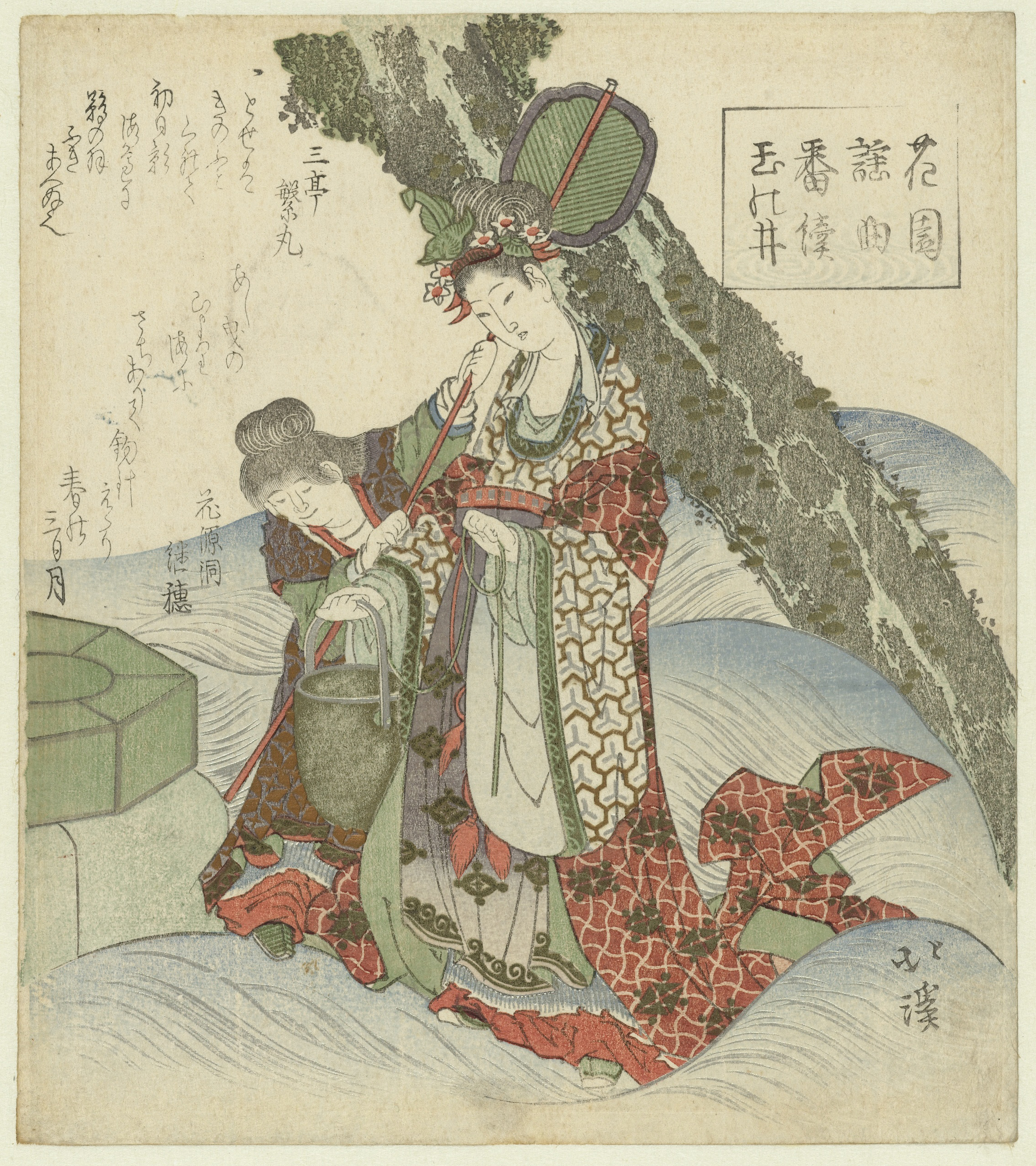
Tamayori-hime: The Divine Mother and Sea Goddess of Japanese Myth
Japan’s landscape is etched with the stories of the Kami—the spirits and deities of Shinto mythology. For the cultural traveler, understanding these figures adds profound depth to visiting ancient shrines. Among the most pivotal yet often understated figures is Tamayori-hime, a goddess whose lineage connects the mysterious depths of the ocean to the Imperial Throne of Japan.
Known as the mother of Emperor Jimmu (Japan’s first legendary emperor), Tamayori-hime represents the nurturing force of water, spiritual mediumship, and maternal devotion. In this guide, we explore her origins, her dramatic legends, and where you can walk in her footsteps today.
Origins and Etymology
The name Tamayori-hime (玉依姫) is fascinating because it functions both as a specific name and a title. It translates roughly to “The Maiden in whom the Spirit Dwells” or “Spirit-Inviting Maiden.” In ancient Shinto practices, a yorishiro is an object capable of attracting spirits. Thus, Tamayori-hime implies a priestess or shamaness possessed of divine power.
While the name appears in various local legends across Japan, the most famous Tamayori-hime—and the focus of national mythology—is the daughter of Watatsumi, the Dragon God of the Sea. She is the younger sister of Toyotama-hime and a key figure in the genealogy of the Imperial family as recorded in Japan’s oldest chronicles.
The Legend: From the Sea to the Throne
The story of Tamayori-hime is a sequel to the famous tale of Yamasachihiko and Umisachihiko (The Mountain Luck and Sea Luck brothers).
The Sister’s Sacrifice
According to the Kojiki and Nihon Shoki, the hunter Hoori (Yamasachihiko) traveled to the undersea Ryugu-jo (Dragon Palace) to find a lost fish hook. There, he married the Sea King’s daughter, Toyotama-hime. When Toyotama-hime became pregnant, she returned to the land to give birth but warned her husband never to look at her during labor.
Hoori broke his promise and peeked, seeing his wife transform into a giant shark (or crocodile-like creature, a wani). Ashamed and enraged, Toyotama-hime abandoned her newborn son, Ugayafukiaezu, and returned to the ocean forever, closing the boundary between land and sea.
The Nurturer and the Bride
This is where Tamayori-hime enters the narrative. Sent by the Sea King to look after her nephew (her sister’s abandoned child), she raised Ugayafukiaezu with great care. As the boy grew into a man, the aunt and nephew eventually married—a practice not uncommon in the divine genealogies of ancient myth.
Together, they had four children. The youngest of these sons was Kamuyamato Iwarebiko, who would eventually march east to Yamato and become Emperor Jimmu, the legendary founder of the Japanese imperial line. Thus, Tamayori-hime is revered not just as a sea goddess, but as the literal mother of the Japanese nation.
Modern Culture and Sacred Sites
Tamayori-hime remains a beloved figure in modern Japan, often associated with safe childbirth, marriage, and water safety. For travelers, her presence is felt most strongly at two distinct locations.
1. Shimogamo Shrine (Kyoto)
At the UNESCO World Heritage site of Shimogamo-jinja in Kyoto, a deity named Tamayori-hime is enshrined. While sometimes conflated with the sea goddess, local Kamo tradition identifies her as the mother of the Thunder God, Kamo Wakeikazuchi. Here, legend says she became pregnant after picking up a vermilion arrow floating down the river. She is worshipped here as a guardian of women, beauty, and marriage.
2. Udo Jingu (Miyazaki Prefecture)
Located on the Nichinan Coast, Udo Jingu is one of Japan’s most spectacular shrines, built inside a cave on a cliff facing the ocean. This is the legendary birthplace of Ugayafukiaezu. The shrine is dedicated to him, but the presence of Tamayori-hime, who raised him here, is palpable. The shrine is famous for the “Ochichi-iwa” (Breast Rocks), stalactites said to drip milk left behind by Toyotama-hime, which Tamayori-hime used to feed the infant.
3. Miyazaki-jingu (Miyazaki City)
This shrine is dedicated to Emperor Jimmu, but his parents—Ugayafukiaezu and Tamayori-hime—are enshrined alongside him as associate gods, emphasizing the importance of lineage.
Traveler’s Tips
If you plan to visit these mythological sites, here are a few tips to enhance your experience:
- Visiting Udo Jingu: Rent a car if possible. The drive along the Nichinan coast offers breathtaking ocean views that evoke the setting of the myths. Try your luck throwing clay balls (undama) into the target on the turtle-shaped rock below the cliff.
- Visiting Shimogamo Shrine: Visit during the Aoi Matsuri in May, one of Kyoto’s three great festivals, which retells the Kamo legends. Be sure to purchase the distinct lace omamori (charms) available there.
- Etiquette: Tamayori-hime is a goddess of purity. Always perform the Temizu (hand washing ritual) before entering the main sanctuary. When praying, follow the “Two Bows, Two Claps, One Bow” rule.
Sources & Further Reading
To deepen your understanding of Tamayori-hime and Japanese mythology, consider reading the following classical texts:
- The Kojiki (Records of Ancient Matters): Translated by Basil Hall Chamberlain or Donald L. Philippi. This text contains the most earthly and dramatic retelling of the sea legends.
- The Nihon Shoki (The Chronicles of Japan): Translated by W.G. Aston. This offers a more formal, historical approach to the lineage of Emperor Jimmu.
- Guide to Shimogamo Shrine: Available at the shrine’s official website or Kyoto tourism centers.