
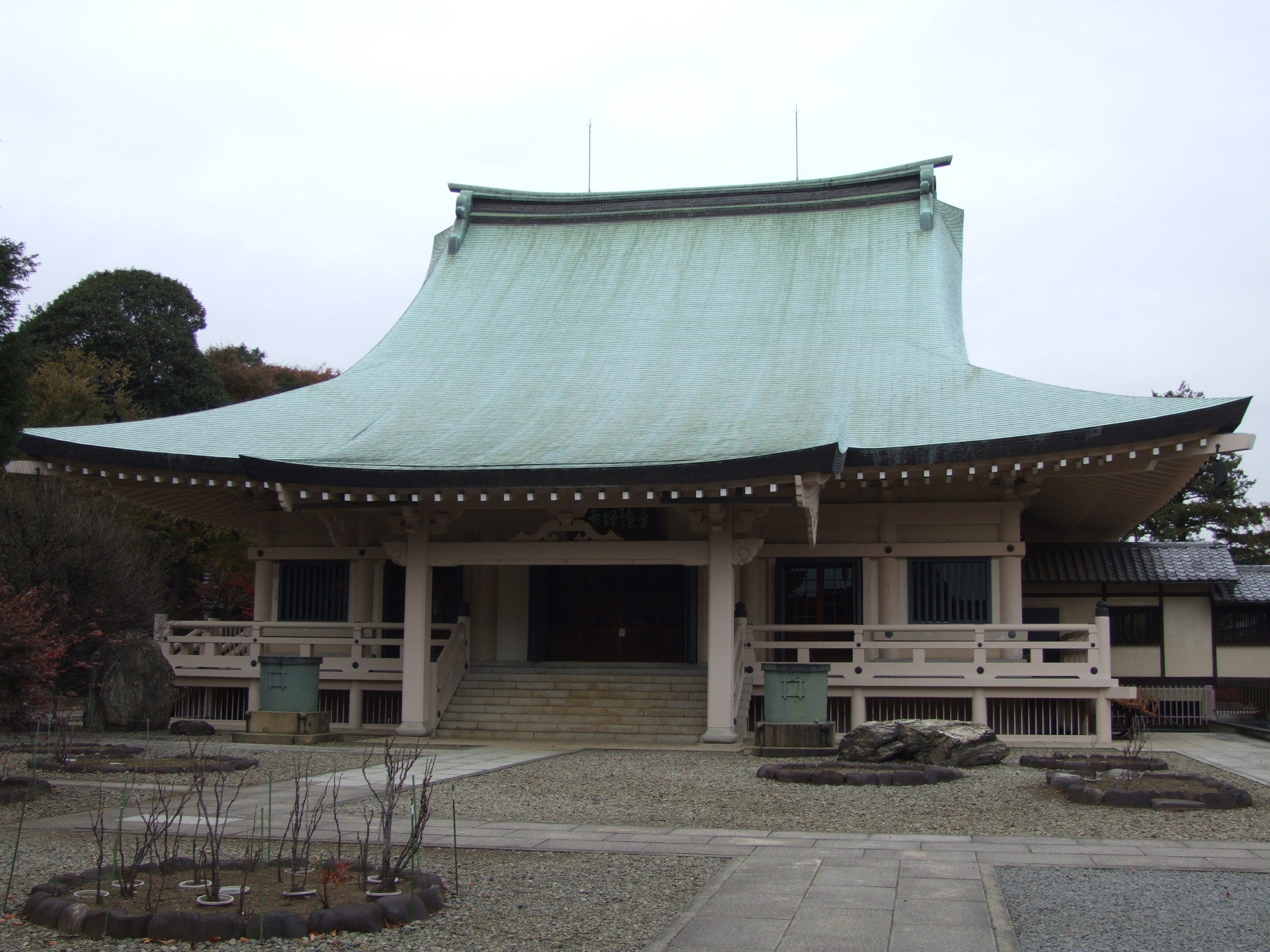
Gotokuji Temple: The Legendary Home of the Beckoning Cat
In the quiet residential ward of Setagaya, far removed from the neon pulse of Shinjuku or the scramble of Shibuya, lies a portal to a whimsical past. Gotokuji Temple is not just another Buddhist sanctuary in Tokyo; it is a visual phenomenon, famous worldwide for housing thousands of white cat statues. These are not ordinary felines, but the original Maneki-neko—the “beckoning cats” that have become a global symbol of good luck and prosperity.
For travelers seeking a blend of serenity, history, and unique Japanese folklore, Gotokuji offers an unforgettable detour into the Edo period.
Origins of the Temple
While the cats steal the spotlight today, Gotokuji has a solemn and significant history dating back centuries. Originally established as a small hermitage called Kotoku-in, the site was expanded and renamed in the 17th century. It became the Bodaiji (family temple) for the Ii clan, the powerful daimyos who ruled the Hikone Domain (present-day Shiga Prefecture).
The temple grounds are extensive, featuring a majestic three-story wooden pagoda, a historic cemetery housing the grave of Ii Naosuke (a pivotal figure in opening Japan to the West), and beautiful maple trees that turn the temple into a crimson spectacle in autumn. However, tucked away in a corner of this prestigious complex is the Shofuku-den, a hall dedicated to the cat deity that changed the temple’s fortune forever.
The Legend of the Beckoning Cat
The lore of Gotokuji centers on a specific event during the early Edo period. According to the legend, the temple was originally a run-down hut presided over by a monk who struggled to make ends meet. Despite his poverty, he shared his meager food with his beloved cat, Tama.
One day, Ii Naotaka, the feudal lord of the Hikone domain, was returning from falconry when a sudden summer storm broke out. Seeking shelter under a large tree near the temple gate, he noticed a cat sitting at the temple entrance. The cat raised its paw, appearing to wave him inside. Intrigued by the animal’s gesture, the lord left the shelter of the tree to approach the cat.
Moments later, a bolt of lightning struck the tree where he had just been standing, obliterating it. Realizing that the cat had saved his life, Ii Naotaka was overcome with gratitude. He designated the temple as his family’s burial site and donated vast funds to rebuild it into a grand complex. When the cat, Tama, eventually passed away, the Shofuku-den (Hall of Inviting Happiness) was built to enshrine a statue of the feline deity, giving birth to the legend of the Maneki-neko.
Modern Culture and the “Maneki-neko”
Today, the Maneki-neko is ubiquitous in Japanese culture and Asian businesses worldwide. However, astute observers will notice a difference between the commercial lucky cats found in souvenir shops and the traditional cats of Gotokuji.
The cats at Gotokuji are exclusively white, representing purity, and they raise their right paw to invite good fortune (though interpretations of right vs. left paw vary by region). Most notably, the Gotokuji cats do not hold a koban (gold coin). The philosophical reasoning is that the cat invites the opportunity for good luck, but it is up to the human to seize that opportunity and create wealth through their own efforts.
The temple’s influence even extends to modern mascots; “Hikonyan,” the samurai-helmet-wearing mascot of Hikone Castle, is directly inspired by the Gotokuji legend, bridging the historical gap between Tokyo and Shiga Prefecture.
Traveler’s Tips
Visiting Gotokuji is a peaceful retreat, but there are a few things to keep in mind to respect the sanctity of the site:
- How to Get There: The temple is a short walk from Gotokuji Station on the Odakyu Line or Miyanosaka Station on the Setagaya Line. The walk through the local neighborhood is charming and retro.
- The Offering: Visitors can purchase their own white cat figurine at the temple administration building. Sizes range from tiny thumb-sized cats to large statues. It is customary to make a wish and take the cat home; once the wish is fulfilled, you return the cat to the temple shelf. This cycle is why there are thousands of cats on display—they represent thousands of fulfilled wishes.
- Photography: While photography is permitted, remember that this is a place of worship. Avoid using flash in front of the altar and respect the silence of the grounds.
- Best Time to Visit: Late morning on weekdays is ideal to avoid crowds. Alternatively, visiting in late November offers stunning fall foliage that contrasts beautifully with the white ceramic cats.
Sources & Further Reading
To understand the depth of animal worship and animism in Japan, one must look beyond the Edo period legends to the foundational texts of Japanese spirituality.
- Japanese Folklore and History: The story of Ii Naotaka is recorded in local Edo-period chronicles and the temple’s own historical records (engi).
- Animism Context: While the specific Maneki-neko legend is from the 17th century, the reverence for animals as messengers of the divine has roots in the Nihon Shoki (Chronicles of Japan) and the Kojiki (Records of Ancient Matters). These ancient texts established the Shinto view that spirits, or kami, reside in all things, paving the way for the cultural acceptance of a cat as a guardian spirit.