
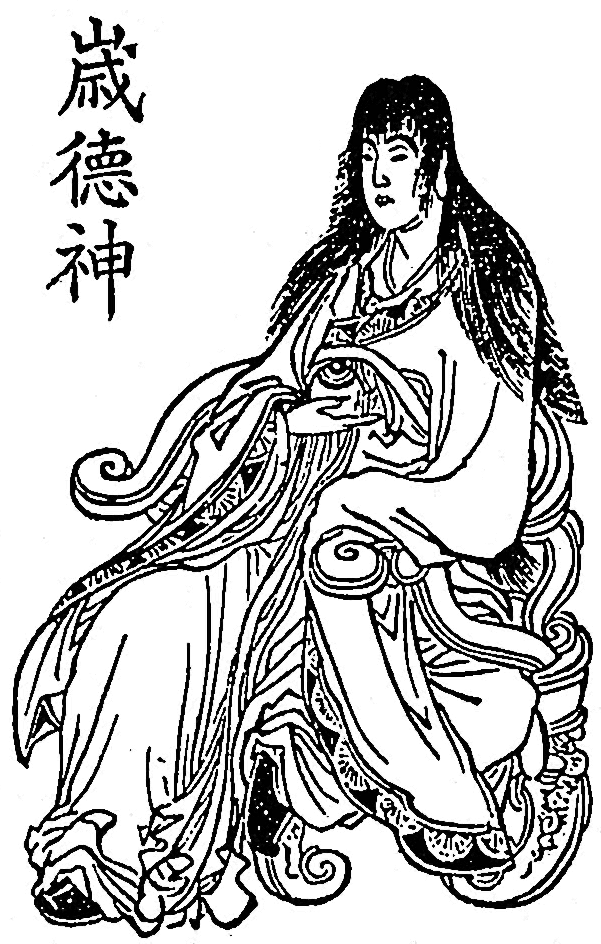
Hōi-yoke: The Japanese Art of Warding Off Ill Directions
Have you ever felt that a specific trip, a move to a new apartment, or a change in office location brought about an inexplicable streak of bad luck? In the West, we might call this coincidence or superstition. However, in Japan, the alignment of one’s movement relative to the cosmos is a serious spiritual matter. This is the realm of Hōi-yoke (方位除け), the practice of protection from unlucky directions.
While many travelers are familiar with purchasing omamori (amulets) for general safety, Hōi-yoke is a more specialized and ancient tradition. It bridges the gap between astronomy, geography, and spirituality, offering a fascinating glimpse into how Japanese culture navigates the invisible currents of luck and misfortune.
Origins: When the Stars Align Against You
The concept of Hōi-yoke is deeply rooted in Onmyōdō (The Way of Yin and Yang), a traditional Japanese cosmology that mixes natural science and occultism, heavily influenced by ancient Chinese philosophy.
Unlike general purification rituals, Hōi-yoke is mathematically determined. It relies on Kyusei Kigaku (Nine Star Ki), a form of astrology. According to this system, every person has a “star” determined by their birth year. These stars move in a nine-year cycle, and in certain years, your star may enter a position in the directional compass that is considered inauspicious.
The most feared position is Happō-fusagari, or “blocked in all eight directions.” When a person’s star settles in the center of the chart, they are surrounded by the other eight stars, metaphorically trapping them. In these years, it is believed that starting new ventures, moving houses, or traveling extensively can invite calamity unless specific Hōi-yoke rituals are performed.
Legend: The Aristocrats and the Wandering Deities
To understand the gravity of Hōi-yoke, we must look back to the Heian Period (794–1185). During this era, the aristocracy lived in constant negotiation with directional deities. One of the most notorious was Konjin (The Metal God), a wandering deity associated with slaughter and bad luck. Konjin would occupy different compass directions on different days or years. To move toward Konjin was to invite death or ruin.
This belief gave rise to a practice known as Kata-tagae (changing direction). If an aristocrat needed to go north, but a deity was blocking the northern path, they would not simply walk north. Instead, they would travel west, stay overnight at a friend’s house or a temple to “reset” their origin point, and then travel northeast the following day to reach their destination. This convoluted commuting was a daily reality for the elite, immortalized in classic literature.
Legends tell of the famous Onmyōji (sorcerer) Abe no Seimei, who was a master of reading these directional energies. Stories suggest that he saved emperors and nobles from catastrophe simply by advising them to alter their travel routes by a few degrees or wait for a specific hour to depart, thereby performing the ultimate act of directional avoidance.
Modern Culture: Navigating Luck in the 21st Century
Today, Hōi-yoke remains a vibrant part of Japanese life, though few people practice the rigorous Kata-tagae detours of the Heian era. Instead, the focus has shifted to spiritual purification rituals performed at Shinto shrines.
Modern Hōi-yoke is particularly relevant for:
- Relocation: Before moving into a new home, especially if the move is in an “unlucky” direction relative to the current residence.
- Construction: Architects and construction companies often consult shrines to appease the directional deities (Jichinsai) before breaking ground.
- Travel: People planning long-term overseas trips during their “bad” years will visit shrines to receive a blessing.
The ritual usually involves a Shinto priest reciting prayers (norito) to cleanse the individual of the directional impurity. The worshiper then receives a specific wooden talisman (ofuda) to place in their home, acting as a spiritual shield against the negative energy flowing from the ill direction.
Traveler’s Tips: Experiencing the Ritual
For the culturally curious traveler, participating in or observing Hōi-yoke practices offers a deeper connection to Shintoism. Here is how you can engage with this tradition:
1. Visit Samukawa Shrine
Located in Kanagawa Prefecture, Samukawa Shrine is the most famous shrine in Japan dedicated specifically to Hōi-yoke. It sits on a ley line that historically protected Edo (Tokyo) from the demonic gate of the southwest. It is the premier destination for anyone seeking directional protection.
2. Check Your Year
Shrines usually post a large chart at the entrance listing the birth years that correspond to “unlucky” stars for the current year. Even if you don’t believe in astrology, checking to see if you are in a year of Happō-fusagari is a fun cultural activity.
3. Buy a Directional Amulet
If you are a frequent traveler, look for an Hōi-yoke Omamori. Unlike general luck charms, these are specifically designed to keep you safe regardless of the compass direction you travel. They make for meaningful souvenirs for backpackers and digital nomads.
4. Respect the Rituals
If you witness a priest waving a white wand (haraegushi) over a car in the parking lot, you are watching a Hōi-yoke ritual for traffic safety. Stand back and observe quietly; this is a serious service paid for by the vehicle owner to ensure safe travels.
Sources & Further Reading
For those interested in the historical and spiritual foundations of these practices, the following texts and concepts provide essential context:
- The Nihon Shoki (Chronicles of Japan): While primarily a history of the Imperial lineage, it introduces the early cosmological concepts that allowed Onmyōdō to flourish.
- The Tale of Genji: Written by Murasaki Shikibu, this classic text contains numerous references to Kata-tagae and the superstitious nature of Heian court travel.
- Onmyōdō History: Researching the life of Abe no Seimei provides insight into how astronomy and magic became intertwined with Japanese government and daily life.