
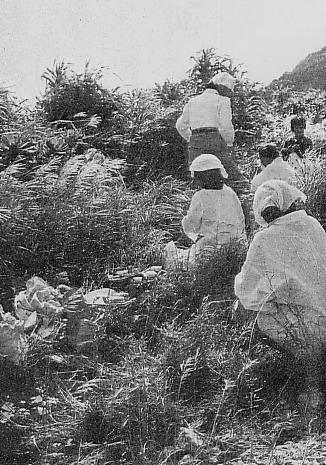
The Yuta of Okinawa: Guardians of the Spirit World
When travelers imagine Okinawa, images of turquoise waters, white sandy beaches, and a slow-paced island life often come to mind. However, beneath the tropical surface lies a profound spiritual depth that distinguishes these islands from mainland Japan. At the heart of this spiritual ecosystem are the Yuta, the mystical shamans and spirit mediums of the Ryukyu Islands.
Unlike the organized priesthoods of major world religions, the Yuta represent an ancient, organic connection between the physical world and the spiritual realm. They are the counselors, healers, and intermediaries for the Okinawan people, maintaining a tradition that has survived centuries of modernization.
The Origins of Ryukyuan Spirituality
To understand the Yuta, one must first understand the indigenous religion of Okinawa, known as Ryukyu Shinto or distinctively as Nirai Kanai faith. Unlike mainland Shinto, which is often centered around shrines and national mythology, Ryukyuan spirituality is deeply animistic and matriarchal. It places a heavy emphasis on ancestor worship and the belief that the divine resides in nature—in the rocks, the trees, and the ocean.
Historically, the spiritual leadership in Okinawa was divided into two roles, both predominantly held by women. The Noro were official priestesses appointed by the Ryukyu Kingdom to conduct public rituals and pray for the prosperity of the village or state. In contrast, the Yuta were (and remain) private practitioners. They operate at the community and family level, dealing with personal crises, illness, and communication with the dead.
This separation of duties allowed the Yuta to remain deeply embedded in the daily lives of the common people, surviving the fall of the Ryukyu Kingdom and the eventual assimilation into modern Japan.
Legend and the Calling: The Phenomenon of Kami-Daari
Becoming a Yuta is rarely a career choice; it is widely considered a destiny imposed by the spirits. In Okinawan culture, the path to shamanism usually begins with a traumatic experience known as Kami-daari (spirit sickness).
According to local legend and oral history, a potential Yuta will begin to suffer from mysterious ailments—physical pain, hallucinations, or distinct bad luck—that modern medicine cannot explain or cure. In this state of suffering, the individual is said to be tormented by the spirits or ancestors who are demanding they accept their role as a medium.
The only cure for Kami-daari is to surrender to the calling. The individual must seek the guidance of an elder Yuta to learn the rituals, prayers, and methods of channeling. Once they accept their duty to serve as a bridge between the living and the dead, the sickness reportedly vanishes, and their powers as a medium crystallize.
Modern Culture: The Yuta Today
In the 21st century, while technology dominates Naha and resorts line the coasts, the Yuta remain a vital part of Okinawan society. They are consulted for a wide variety of reasons, ranging from health concerns and financial troubles to finding lost objects.
Most significantly, they are sought out during Obon and other ancestral holidays. Families visit Yuta to perform ucha-nugai (ancestral prayer) to determine if their ancestors are at peace or if a specific misfortune befalling the family is due to a neglected spiritual duty. The Yuta enters a trance state to convey messages from the other side, providing closure or instructions for rituals to appease the spirits.
This practice highlights the key difference between the Yuta and mainland Japanese mediums: the Okinawan relationship with the dead is reciprocal. The living care for the ancestors, and the ancestors look after the living. The Yuta is the essential translator in this ongoing dialogue.
Traveler’s Tips: Respecting the Tradition
For cultural travelers fascinated by this aspect of Okinawa, it is crucial to approach the topic with high sensitivity.
- Not a Tourist Attraction: A session with a Yuta, often called a handan (judgment/reading), is a serious religious ritual, not a fortune-telling show for entertainment.
- Language Barriers: Most traditional Yuta speak only Japanese or the local Uchinaaguchi dialect. Without a trusted translator, a session is impossible.
- Introduction Only: Legitimate Yuta rarely advertise. They work on a referral basis (ichigen-san okotowari – no new customers without introduction).
- Sacred Spaces: When visiting Utaki (sacred groves) or Seifa-Utaki (the most sacred site in Okinawa), behave as you would in a cathedral. These are the places where the spirits dwell, and where Yuta often pray.
Sources & Further Reading
To deepen your understanding of the shamanistic roots of Japan and the Ryukyu Islands, the following texts and concepts are recommended:
- The Omoro Soshi: An ancient compilation of Ryukyuan poems and songs (similar in cultural importance to the Manyoshu), which details the role of priestesses and the divine nature of the islands.
- The Kojiki and Nihon Shoki: While these are texts of mainland Japan, reading the accounts of Ame-no-Uzume (the dawn goddess/shaman) provides a fascinating comparative look at the shamanistic roots shared across the Japonic cultures before they diverged.
- Okinawa: The History of an Island People by George Kerr: For a secular history of how the shamanistic structure supported the Ryukyu Kingdom.