
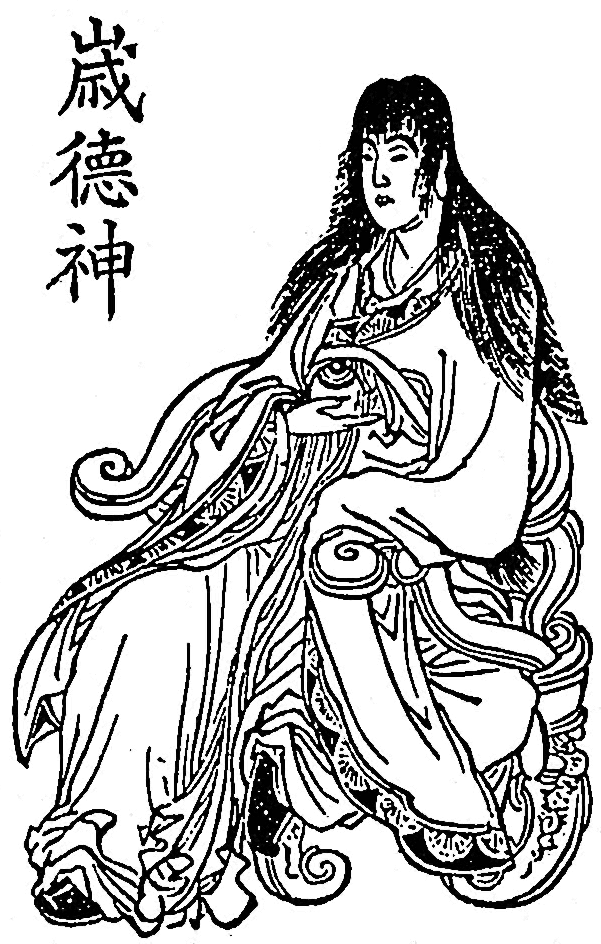
Unlocking the Mystery of Hoi-yoke: Japanese Directional Protection
When planning a journey or embarking on a new life chapter in Japan, you might hear a local friend mention that their “star” is in a bad position this year. They aren’t talking about Hollywood fame; they are referring to Hoi-yoke (方位除け), a fascinating aspect of Japanese spiritual culture focused on directional protection. Unlike the more commonly known Yakudoshi (unlucky ages), Hoi-yoke is based on the movement of one’s astrological star relative to the cardinal directions. For travelers and culture enthusiasts, understanding this concept unlocks a deeper layer of the Shinto and Buddhist experience in Japan.
The Origins: Celestial Maps and Onmyodo
The roots of Hoi-yoke run deep into the soil of Onmyodo (The Way of Yin and Yang), a traditional Japanese cosmology that blends ancient Chinese theories of the Five Elements with indigenous Japanese spirituality. Flourishing during the Heian period (794–1185), Onmyodo masters, or Onmyoji, acted as spiritual advisors to the Imperial Court. They were tasked with interpreting omens and determining favorable or unfavorable directions for travel, construction, and warfare.
The core belief is based on Kyuusei Kigaku (Nine Star Ki). Every individual is assigned a “star” based on their birth year. These stars rotate through a nine-year cycle, occupying different positions on a directional chart. In certain years, your star may enter a difficult position—such as the center (happo-fusagari), where you are “blocked in all eight directions,” or the northeast, traditionally considered the Demon Gate. Hoi-yoke is the ritual performed to neutralize the negative energy of these positions and ensure a safe year.
Legend of the Demon Gate (Kimon)
To understand the gravity of Hoi-yoke, one must look at the legend of the Kimon (鬼門), or the “Demon Gate.” In traditional geomancy, the Northeast is the direction from which evil spirits and demons (Oni) are believed to enter the human realm. This belief is so pervasive that even in feudal city planning, great care was taken to protect this vulnerable flank.
Ancient lore suggests that the capital city of Heian-kyo (modern-day Kyoto) was designed with specific temples built in the Northeast—most notably Enryaku-ji on Mount Hiei—to serve as spiritual guardians against the darkness flowing from the Kimon. The imagery associated with this direction is derived from the Chinese Zodiac; the Northeast falls between the Ox and the Tiger. This is why traditional depictions of Japanese Oni often feature the horns of an ox and loincloths made of tiger skin. The legend serves as a reminder that the world is a balance of energies, and when the balance tips toward the shadows, rituals like Hoi-yoke restore the light.
Modern Culture: Reading the Charts
Today, Hoi-yoke is less about battling literal demons and more about psychological and spiritual peace of mind. If you visit a large Shinto shrine, particularly around New Year’s (Hatsumode), you will see large notice boards displaying a grid of birth years. These are the Hayami-hyo (quick reference charts).
Japanese people check these boards to see if their birth year corresponds to a “bad” direction for the current year. If it does, they request a formal prayer (kito) inside the shrine. The priest recites norito (prayers) and waves a haraegushi (wand with paper streamers) to purify the individual. Even those who are not deeply religious often partake in this ritual as a form of insurance—a way to start the year with a clean slate. It is particularly common before starting home renovations, moving to a new city, or taking a long trip, ensuring that the physical movement through space does not clash with spiritual currents.
Traveler’s Tips: Experiencing the Ritual
If you are in Japan and want to experience or observe Hoi-yoke, here is how you can participate:
- Find the Right Shrine: While many shrines offer general protection, Samukawa Shrine in Kanagawa Prefecture is the most famous sanctuary specifically dedicated to Hoi-yoke. It attracts millions of visitors seeking directional clarity.
- Check Your Year: Look for the chart near the shrine entrance. It will list birth years (usually based on the Japanese era calendar, but often with Western years alongside) and the corresponding type of luck.
- Get an Amulet: If you don’t have time for a full formal prayer ceremony, you can purchase an Omamori (amulet) specifically for Hoi-yoke. Attach it to your backpack or keep it in your wallet.
- Respect the Space: Remember that for many, this is a serious undertaking to prevent misfortune. Keep voices low and follow the purification etiquette at the water basin (temizuya) before entering.
Sources & Further Reading
For those interested in the mythological foundations of Japanese deities and the cosmological views that allowed Onmyodo to flourish, the classical texts remain essential reading:
- The Kojiki (Records of Ancient Matters): While it predates the formalized system of Hoi-yoke, it establishes the animistic worldview and the power of the Kami (gods) over natural elements.
- The Nihon Shoki (The Chronicles of Japan): Provides historical context on the introduction of calendar systems and Yin-Yang divination to the Imperial Court.
- The Tale of Genji: Though a work of fiction, it offers a vivid glimpse into Heian court life where directional taboos strictly dictated the daily movements of the aristocracy.