
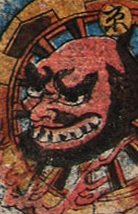
The Legend of Katawaguruma: Japan’s Haunted Wheel Spirit
Japanese folklore is a treasure trove of the bizarre and the terrifying. From shapeshifting tanuki to river-dwelling kappa, the pantheon of yokai (spirits and monsters) is vast. However, few creatures are as visually striking or as frightening as the Katawaguruma (片輪車). Imagine walking down a dark, narrow street in ancient Kyoto, only to hear the creaking of an ox cart, followed by the sight of a single wheel engulfed in flames, rolling toward you with a tormented human face at its center.
For travelers and culture enthusiasts fascinated by the supernatural side of Japan, understanding the Katawaguruma offers a unique glimpse into the moral warnings and artistic history of the Edo period.
Origins and History
The Katawaguruma traces its literary and artistic roots back to the Edo period (1603–1867), a golden age for ghost stories and supernatural art. The name translates roughly to “Imperfect Wheel” or “One-Wheeled Cart.”
One of the earliest and most influential depictions of this yokai comes from Toriyama Sekien, the master ukiyo-e artist who cataloged supernatural beings. In his 1779 work, Konjaku Gazu Zoku Hyakki (The Illustrated Hundred Demons from the Present and the Past), Sekien depicted the Katawaguruma as a burning ox-cart wheel with the face of a woman suffering in agony.
Historically, the Katawaguruma is often confused with a similar yokai known as the Wanyudo. While both appear as flaming wheels with human heads, the distinction usually lies in the gender and the backstory. The Wanyudo typically features the head of a monk, whereas the Katawaguruma is predominantly depicted as a woman. Scholars suggest that the creature may have originated as a cautionary metaphor for the perils of sinful curiosity or the neglected duties of motherhood.
The Legend of the Burning Wheel
The most enduring legend of the Katawaguruma comes from the Shokoku Rijin Dan, a collection of strange tales from the rural provinces. The story is set in a village in Omi Province (modern-day Shiga Prefecture).
According to the tale, a woman was warned by her neighbors not to look outside at night, as the demonic Katawaguruma was rumored to be prowling the streets to snatch souls. Overcome by curiosity, the woman cracked her door open to peek as the rumbling, burning wheel rolled past.
As the Katawaguruma passed her door, the woman saw a horrific face amidst the flames. The spirit shouted out to her: “Instead of looking at me, you should be looking at your child!”
Terrified, the woman slammed the door and rushed back to her child’s bedside, only to find the futon empty. Her child had vanished—spirited away by the demon as punishment for her voyeurism. In some variations of the story, the woman writes a poem of regret on a slip of paper and pins it to her door, which miraculously convinces the yokai to return the child, showcasing the creature’s strange adherence to a moral code.
Katawaguruma in Modern Culture
While it may not be as globally famous as Godzilla or Pikachu, the Katawaguruma maintains a strong presence in Japanese pop culture, particularly in media involving the supernatural.
- Anime and Manga: The creature famously appears in GeGeGe no Kitaro, the quintessential yokai manga by Shigeru Mizuki. It is often portrayed as a formidable antagonist.
- Video Games: Gamers might recognize this burning wheel from the Nioh series or the Shin Megami Tensei franchise (often under the guise or conflated stats of Wanyudo). It serves as a terrifying enemy that rushes players with high speed and fire damage.
- Literature: Contemporary horror novels in Japan still utilize the imagery of the burning wheel to evoke a sense of inevitable doom or karmic retribution.
Traveler’s Tips: Finding Yokai in Japan
If you are planning a trip to Japan and want to immerse yourself in the world of yokai like the Katawaguruma, here are the top destinations to add to your itinerary:
- Yokai Street (Ichijo-dori), Kyoto: This shopping street is dedicated to the Tsukumogami (animate objects). The shops feature homemade yokai statues, and the vibe is perfect for folklore lovers. It is said to be the path of the “Night Parade of One Hundred Demons.”
- Toei Kyoto Studio Park (Uzumasa): This theme park and film set often features haunted houses and attractions centered on traditional Japanese ghosts.
- Miyoshi Mononoke Museum (Hiroshima): This museum houses a massive collection of yokai-related artifacts, scrolls, and art pieces, offering a deep dive into the history of these creatures.
- Shiga Prefecture: For the die-hard fan, visiting the area around Lake Biwa (formerly Omi Province) connects you to the geographical origin of the specific Katawaguruma legend mentioned above.
Sources & Further Reading
For those interested in delving deeper into the historical texts regarding Katawaguruma, the following works are essential:
- Konjaku Gazu Zoku Hyakki (1779) by Toriyama Sekien – The visual standard for the yokai.
- Shokoku Rijin Dan (1746) – Contains the primary legend of the woman and her child.
- Shokoku Hyaku Monogatari (1677) – A collection of 100 supernatural tales from various provinces.
The Katawaguruma serves as a fiery reminder of Japan’s rich storytelling tradition—a blend of horror, morality, and distinct visual flair that continues to burn brightly in the modern imagination.