
Ame-otoko: The Folklore of Japan’s Rain Man Spirit
Have you ever planned the perfect outdoor excursion in Kyoto or a hike up Mount Fuji, only to have the skies open up the moment you step outside? If you find yourself constantly plagued by downpours during important events, the Japanese might tell you that you are an Ame-otoko (雨男), or “Rain Man.”
While the term is often used jokingly in modern Japan to describe someone with bad luck regarding the weather, the roots of the Ame-otoko run deep into the country’s rich tapestry of mythology and animism. Join us as we explore the cultural significance of this damp spirit, bridging the gap between ancient agricultural reverence and modern-day travel superstitions.
Origins: From Deity to Nuisance
To understand the Ame-otoko, one must first look at Japan’s relationship with nature. In ancient agricultural Japan, rain was not a nuisance; it was life. Droughts meant starvation, and as such, entities that could summon rain were revered.
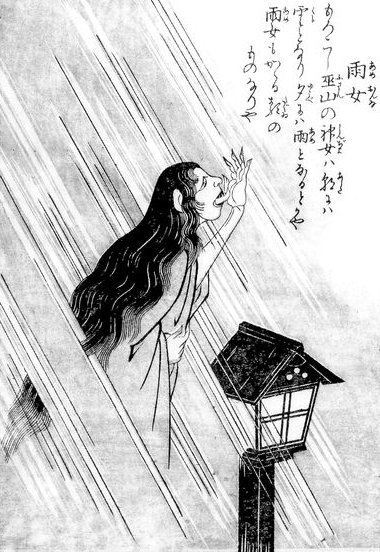
The concept of the Ame-otoko is closely linked to, and often overshadowed by, his female counterpart, the Ame-onna (Rain Woman). In early folklore, these beings were related to minor cloud and rain deities. They were respected spirits believed to wander the heavens and mountains, bringing the necessary hydration to rice paddies.
However, as Japanese society urbanized during the Edo period (1603–1867), the perception of rain shifted. It became an inconvenience to merchants and travelers. Consequently, the status of rain spirits devolved from benevolent minor gods to yokai—supernatural monsters or spirits—that caused trouble for humans.
The Legend of the Rain Spirit
While the Ame-onna is often depicted as a tragic figure licking rain off her hands, the Ame-otoko has a slightly different, albeit equally sorrowful, depiction in classical folklore.
The most famous visual representation comes from Toriyama Sekien, the legendary 18th-century scholar and ukiyo-e artist. In his seminal work, Konjaku Gazu Zoku Hyakki (The Illustrated Hundred Demons from the Present and the Past), the Ame-otoko is depicted as a somewhat pathetic, half-naked figure holding an umbrella, appearing almost apologetic for his presence.
According to some interpretations of the legend, the Ame-otoko is a minor spirit whose job is to bring rain to the crops, but he does so clumsily or at the wrong times. In other darker regional variations, the Ame-otoko is associated with the abduction of children on rainy nights, spiriting them away to the mountains. However, this malevolent aspect has largely faded from the collective consciousness, replaced by the image of a gloomy, misunderstood spirit who simply cannot stop the rain from falling wherever he goes.
Modern Culture: The Social “Jinx”
In contemporary Japan, being called an Ame-otoko is a social label rather than an accusation of being a demon. It is the binary opposite of the Hare-otoko (Sunny Man), the lucky individual who brings blue skies to every picnic and festival.
This concept is ubiquitous in Japanese pop culture. You will find references to Rain Men and Rain Women in anime, manga, and movies. A prime example is Makoto Shinkai’s film Weathering With You (Tenki no Ko), which deeply explores the Shinto connection to weather maidens and the balance of the skies.
Today, if a Japanese celebrity holds a concert and it rains, fans will jokingly label them an Ame-otoko on social media. It has become a lighthearted way to cope with the disappointment of bad weather, shifting the blame to a person’s “spiritual aura” rather than meteorological pressure systems.
Traveler’s Tips: Embracing the Rain
If you suspect you might be an Ame-otoko because every trip you take ends in a washout, fear not. Here is how to handle the stigma while traveling in Japan:
1. The Teru Teru Bozu
To counter your rainy energy, engage in the tradition of making a Teru Teru Bozu. These are small, white handmade dolls constructed from tissue paper or cloth, hung by windows to pray for good weather. It is a charming cultural activity to try at your ryokan or hotel.
2. Visit the Weather Shrine
If you are in Tokyo, visit the Koenji Hikawa Shrine. It is famous for being the only shrine in Japan specifically dedicated to meteorology. You can buy a unique omamori (amulet) designed to ward off bad weather—a perfect souvenir for the self-proclaimed Rain Man.
3. Embrace the Atmosphere
Japan is arguably one of the most beautiful countries in the world when it rains. The moss in Kyoto’s gardens turns a vibrant green, the neon lights of Osaka reflect beautifully on wet pavement, and the misty mountains of Hakone look mystical. If you are an Ame-otoko, wear the title with pride and enjoy the unique, moody aesthetic you “bring” to your travels.
Sources & Further Reading
For those interested in diving deeper into Japanese mythology and weather deities, the following texts and locations provide excellent context:
- Konjaku Gazu Zoku Hyakki by Toriyama Sekien (1779) – The visual source for the classical Ame-otoko yokai.
- The Kojiki (Records of Ancient Matters) – While it does not mention Ame-otoko specifically by name, it details the origins of weather deities like Kuraokami (dragon god of rain) and Susanoo (storm god).
- Nihon Shoki (The Chronicles of Japan) – Contains further historical context on the worship of agricultural nature spirits.