
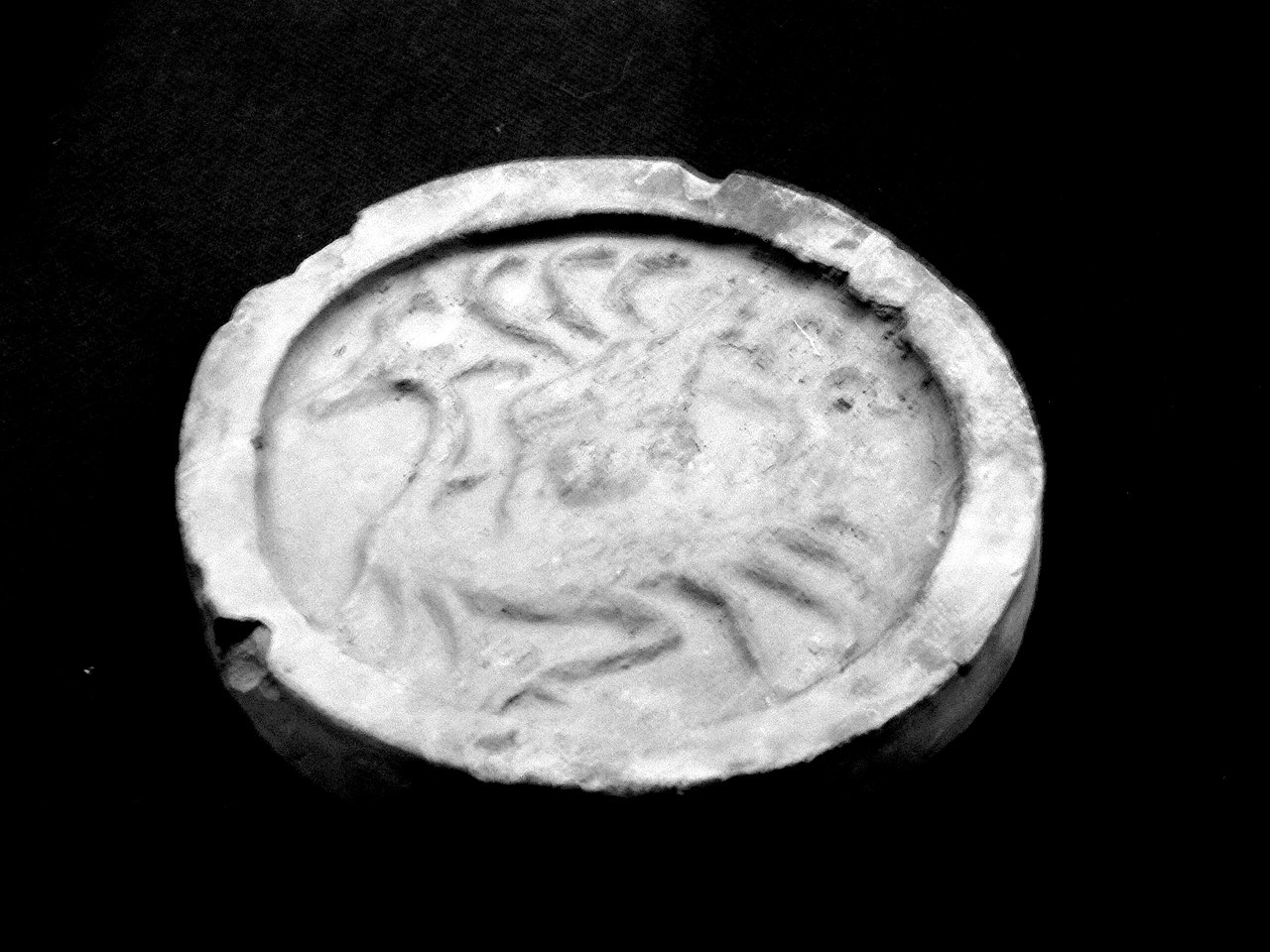
The Vermilion Bird: Unveiling the Legend of Suzaku
In the tapestry of East Asian mythology, few creatures command as much reverence and aesthetic wonder as the Vermilion Bird. Known as Zhuque in China and Suzaku in Japan, this elegant, fiery spirit is not merely a beast of legend but a celestial guardian deeply embedded in the cultural and architectural history of the East. For travelers and culture enthusiasts, understanding the Vermilion Bird is key to unlocking the secrets behind ancient temple layouts, royal palaces, and popular media.
Introduction to the Guardian of the South
Imagine standing in the center of an ancient capital. To your East lies the Azure Dragon; to the West, the White Tiger; to the North, the Black Tortoise. But looking South, toward the heat of the sun and the vibrancy of summer, stands the Vermilion Bird.
As one of the “Four Symbols” (or Four Guardians), the Vermilion Bird represents the element of Fire, the season of Summer, and the virtue of propriety. It is often depicted as a red bird resembling a pheasant with a five-colored plumage, covered in flames. While often confused with the Phoenix (Fenghuang or Ho-o), the Vermilion Bird is a distinct celestial entity with specific geographical and astronomical duties.
Origins in Astronomy and Elementals
The roots of the Vermilion Bird stretch back to ancient Chinese astronomy. The sky was divided into four quadrants, each containing seven mansions (constellations). The seven mansions of the south form the shape of a bird. In the theory of Wu Xing (the Five Elements), these southern stars were associated with fire and the color red (vermilion).
This cosmological system traveled across the sea to Japan, likely via the Korean peninsula, during the Asuka period (538–710 AD). It was rapidly absorbed into Japanese culture, influencing everything from the naming of emperors to the layout of cities. The concept provided a spiritual compass, ensuring that human structures aligned with the divine order of the heavens.
The Legend: More Than a Phoenix
A common misconception among Western travelers is equating Suzaku with the Western Phoenix. While both represent fire and immortality to some degree, their origins differ. The Phoenix is a creature of rebirth, rising from its own ashes. Suzaku, however, is a guardian spirit—a specific constellation given form.
The Japanese Interpretation
In Japanese folklore, Suzaku is the protector of the southern part of Kyoto (formerly Heian-kyo). Because the south represents the sun at its peak, Suzaku is associated with noble energy, passion, and the eradication of evil spirits.
Legends suggest that when a ruler is virtuous and society is balanced, the Vermilion Bird will appear as a sign of heavenly approval. Unlike the chaotic fire of destruction, Suzaku’s fire is one of purification and illumination.
Modern Culture and Media
Even if you are new to mythology, you may have already encountered Suzaku without realizing it. The Four Guardians are a staple in modern Japanese pop culture.
- Anime and Manga: Series like Fushigi Yuugi center entirely on the summoning of Suzaku. Similarly, YuYu Hakusho features the Four Beasts, including a portrayal of the bird.
- Video Games: In the Final Fantasy series (specifically Type-0 and XIV), Suzaku appears as a formidable summon or boss, often depicted in vibrant reds and oranges.
- Literature: Contemporary fantasy novels set in East Asia frequently use the Four Symbols as a magic system or faction identifier.
This enduring presence highlights how the Vermilion Bird has evolved from a rigid astronomical concept into a beloved character archetype in entertainment.
Traveler’s Tips: Seeking Suzaku in Japan
For the culturally curious traveler, the legend of Suzaku has left tangible marks on Japan’s geography and architecture. Here is where you can find the Vermilion Bird today:
1. The Kitora Tomb (Asuka Village, Nara)
This is one of the most significant archaeological sites in Japan. The interior walls of this ancient tumulus feature the oldest known celestial chart in the world and murals of the Four Guardians. While the tomb itself is sealed, the nearby Kitora Tumulus Mural Museum offers exquisite replicas where you can see the Vermilion Bird painted on the Southern wall.
2. Heijo Palace Site (Nara)
The Suzakumon (Suzaku Gate) was the main entrance to the imperial palace in the ancient capital of Nara. Reconstructed in 1998, this massive, vermilion-lacquered gate stands as a majestic testament to the bird’s role as the guardian of the entry. It is a fantastic photo opportunity, especially at sunset.
3. Heian Jingu Shrine (Kyoto)
Built to commemorate the 1100th anniversary of Kyoto, this shrine mimics the Imperial Palace of the Heian Period. The layout is strictly based on the Four Guardians. The main southern gate is arguably the most famous architectural representation of the concept.
4. Kyoto’s Street Layout
While not a physical statue, the main thoroughfare of ancient Kyoto was named Suzaku Oji (Suzaku Avenue). Though the name has changed in parts of the modern city, knowing that the city was designed as a grid protected by these beasts adds a layer of mystical depth to your walk through the Gion or Shimogyo districts.
Sources & Further Reading
To dive deeper into the lore of the Vermilion Bird and the introduction of Chinese cosmology to Japan, consider exploring the following historical texts:
- The Nihon Shoki (Chronicles of Japan): One of the oldest books of classical Japanese history, which details the arrival of calendar systems and divination arts from the continent.
- The Kojiki (Records of Ancient Matters): While focused on Shinto creation myths, it provides context for the spiritual landscape into which the Four Symbols were integrated.
- Shoku Nihongi: Mentions the use of flags depicting the Four Guardians during imperial ceremonies in the Nara period.
The Vermilion Bird is a reminder that in East Asia, the sky was never just a ceiling of stars—it was a map of guardians watching over the earth. Keep an eye out for the red bird on your next journey; you never know where it might be hiding in plain sight.