
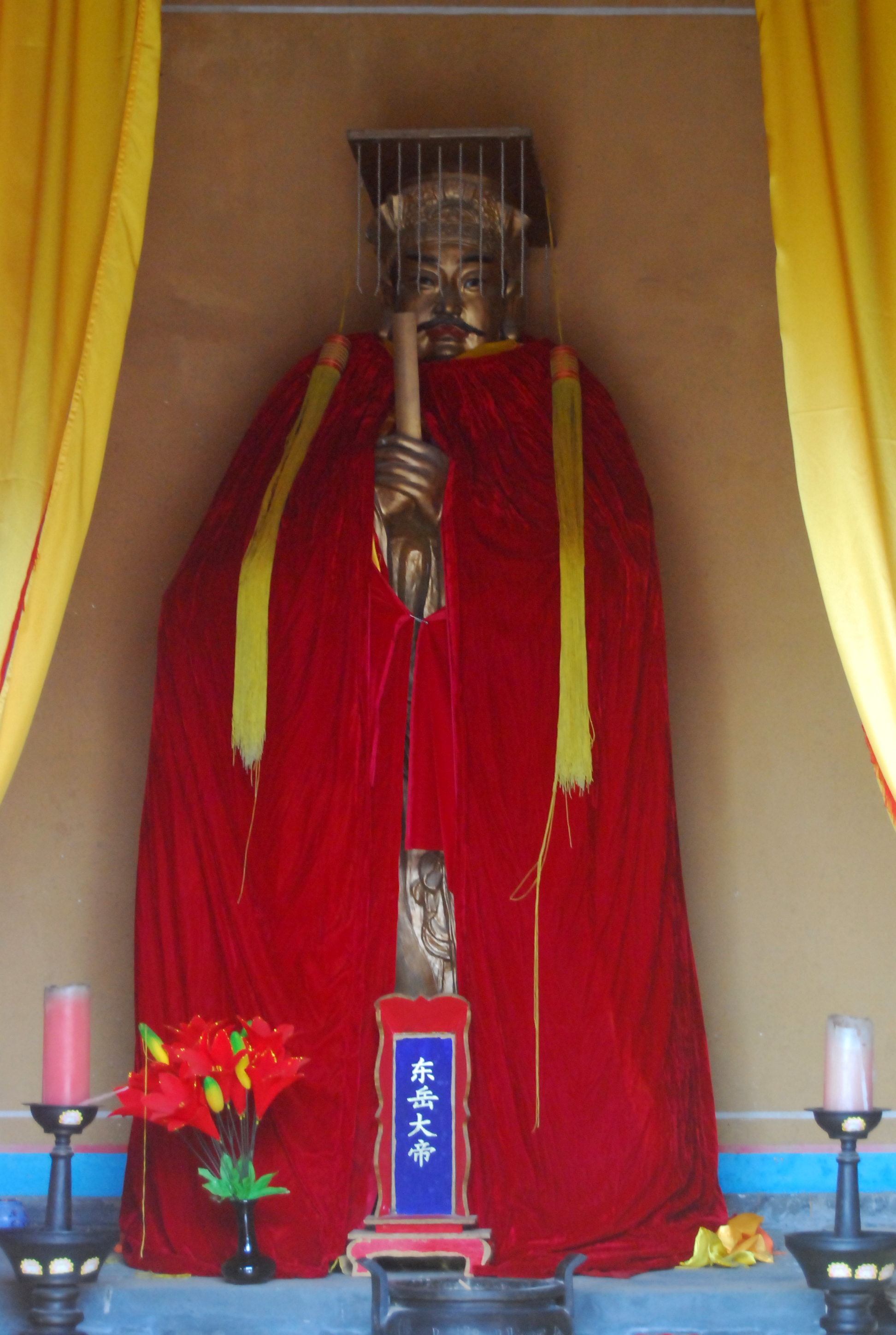
Unveiling Taizan Fukun: The Lord of Souls and Shadows
In the shadowed corners of Japanese folklore and the mystical practices of Onmyodo (The Way of Yin and Yang), few deities command as much fear and reverence as Taizan Fukun. Known as the Lord of Mount Tai, this deity presides over the delicate balance between life and death. For cultural travelers and history enthusiasts, understanding Taizan Fukun offers a fascinating glimpse into how ancient Chinese Taoism blended with Japanese spirituality to create rituals that claimed to cheat death itself.
The Origins: From a Chinese Mountain to Japanese Courts
The story of Taizan Fukun begins not in Japan, but in China. The name literally translates to the “Lord of Mount Tai” (Tai Shan), one of China’s five sacred mountains. In ancient Taoist belief, Mount Tai was thought to be the gathering place of souls after death. The deity residing there held the ledger of life spans, deciding when a person’s time on earth was up.
During the Heian period (794–1185), these beliefs crossed the sea to Japan. As Onmyodo gained influence in the Imperial Court, practitioners known as Onmyoji adopted Taizan Fukun into their pantheon. Unlike the native Shinto kami described in texts like the Kojiki, Taizan Fukun was a foreign, celestial bureaucrat who managed the underworld. Over time, through the process of religious syncretism (shinbutsu-shugo), he became associated with—and sometimes conflated with—Enma-o (Yama), the Buddhist King of Hell and judge of the dead.
The Legend: Cheating Death via the Taizan Fukun Sai
The most compelling legends surrounding Taizan Fukun involve the Taizan Fukun Sai, a secret ritual performed to extend a person’s life or even resurrect the dead. This ceremony is inextricably linked to Abe no Seimei, Japan’s most legendary Onmyoji.
According to folklore and collections like the Konjaku Monogatarishu, the ritual required an equivalent exchange—a life for a life. A famous tale recounts a high-ranking monk who was destined to die young. Desperate, he sought the help of Abe no Seimei. The Onmyoji performed the solemn Rite of Taizan Fukun, offering his own spiritual energy or negotiating with the deity to alter the registers of the underworld. The deity, impressed by the piety and the power of the ritual, granted the monk longevity.
These legends cemented Taizan Fukun’s reputation not just as a judge, but as a negotiator who could be swayed by the powerful magic of the Imperial Court wizards.
Taizan Fukun in Modern Culture
While the Heian court has long since vanished, Taizan Fukun remains a vibrant figure in modern Japanese pop culture. The deity and his associated rituals appear frequently in anime, manga, and light novels that feature supernatural themes.
- Tokyo Ravens: In this popular series, the Taizan Fukun Sai is a central plot device used in attempts to reincarnate spirits.
- Shaman King: The character Tao Ren utilizes techniques related to this deity, highlighting the Taoist origins.
- Fate Series: The lore of Abe no Seimei and his rituals often references the power over life and death granted by this deity.
For the modern observer, these appearances keep the ancient name alive, transforming a fearsome judge of the dead into a mysterious force of magic in contemporary storytelling.
Traveler’s Tips: Where to Find Traces of the Lord
If you are visiting Japan and wish to explore the legacy of Taizan Fukun and the Onmyoji, head to the ancient capital of Kyoto.
1. Seimei Shrine (Kyoto)
Dedicated to Abe no Seimei, this shrine is the epicenter of Onmyodo history. While the shrine focuses on Seimei, the influence of Taizan Fukun is felt in the star-shaped pentagrams (Gobosei) and the history of the rituals performed on these grounds.
2. Chiin-ji Temple and Enma-do
Various temples in Kyoto feature statues of Enma (the Judge of Hell). Because Taizan Fukun is considered one of the ten judges of the afterlife in Japanese Buddhism (often indistinguishable from Enma’s retinue), visiting these halls offers a visual representation of the terrifying bureaucracy of the underworld.
3. Cultural Etiquette
When visiting these sites, remember that they are active places of worship. Although Taizan Fukun is associated with dark rituals in fiction, in reality, he is prayed to for health, longevity, and protection from illness. Show respect by bowing at the gates and keeping voices low.
Sources & Further Reading
To dive deeper into the history of Taizan Fukun and Japanese cosmology, consider exploring the following texts:
- The Konjaku Monogatarishu: A collection of tales from the late Heian period that includes supernatural stories involving Onmyoji and resurrection.
- The Nihon Shoki: While primarily focused on Shinto creation myths, it provides the historical context of the court system where Chinese influence began to permeate Japanese governance and religion.
- The Catalyst of Onmyodo: Academic papers on Abe no Seimei often detail the specific liturgical texts imported from China concerning Mount Tai worship.
Taizan Fukun represents the bridge between the human desire for immortality and the inevitable reality of death. By exploring his legend, you travel not just across Japan, but across the boundaries of the spiritual world itself.