
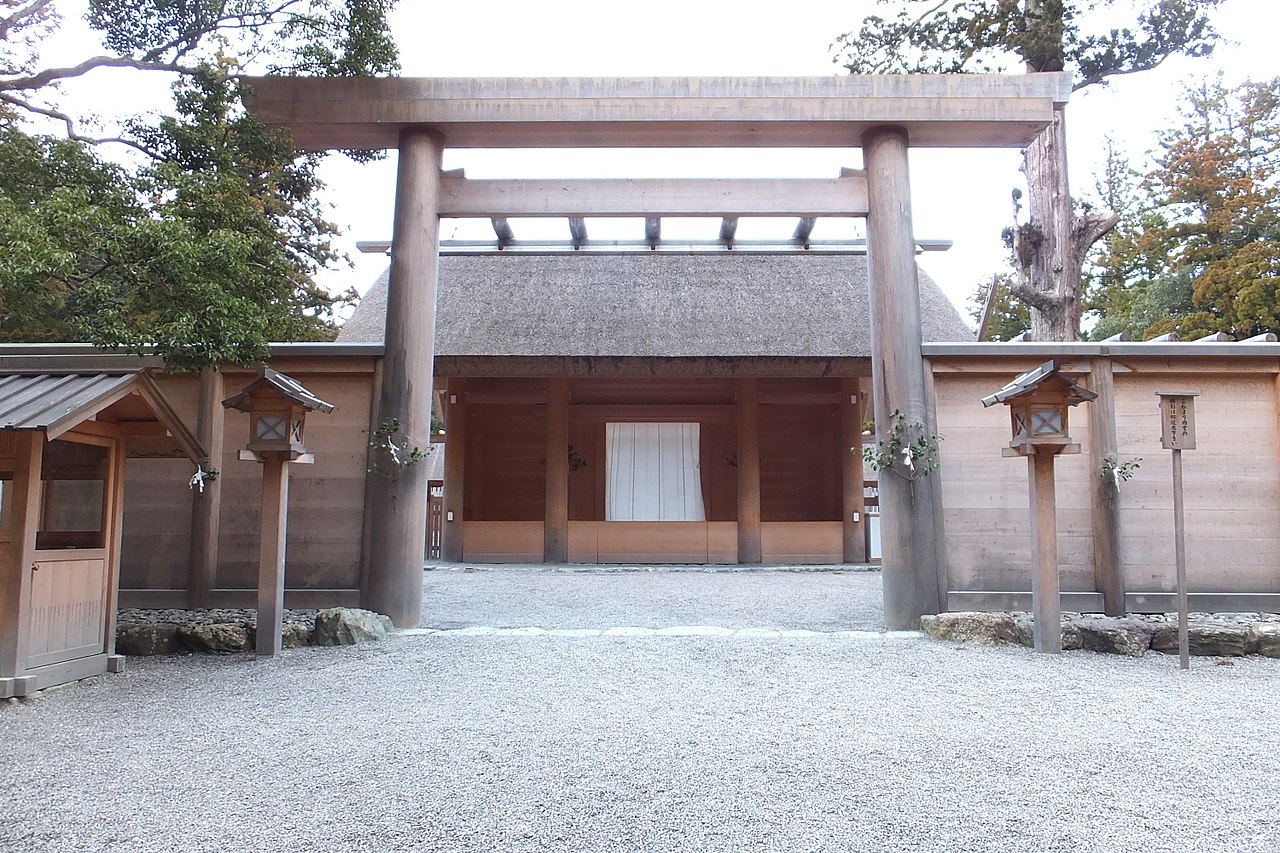
Geku: Exploring the Sacred Outer Shrine of Ise Jingu
Deep within the Mie Prefecture of Japan lies the spiritual heart of the nation: Ise Jingu (The Grand Shrine of Ise). While many travelers rush to the Inner Shrine (Naiku), the pilgrimage officially begins at the Geku, or Outer Shrine. Known formally as Toyouke Daijingu, this ancient sanctuary offers a profound atmosphere of tranquility, history, and divine reverence that is essential to understanding the Shinto faith.
Walking through the sacred forests of Geku is not merely a sightseeing trip; it is a step back into a ritualistic tradition that has continued unbroken for over a millennium. Here is a guide to the history, legends, and culture surrounding this hallowed ground.
Origins: The Guardian of Sustenance
The history of Geku is as impressive as it is ancient. Established in 478 AD, during the reign of Emperor Yuryaku, the shrine boasts a lineage of over 1,500 years. It serves as the dedicated sanctuary for Toyouke-no-Omikami, the Shinto deity of food, clothing, and shelter—essentially, the guardian of life’s necessities and industry.
Unlike many ancient sites that remain static, Ise Jingu—including Geku—is a living entity. The shrine buildings are rebuilt every 20 years in a monumental ceremony known as the Shikinen Sengu. This practice symbolizes the Shinto concept of Tokowaka (eternal youth and renewal), ensuring that while the materials are new, the architectural style remains perfectly preserved from the Kofun period. The most recent reconstruction occurred in 2013, continuing a cycle that has persisted despite wars and political upheavals throughout Japanese history.
The Legend: A Divine Request
The establishment of Geku is rooted in a fascinating legend recorded in ancient texts. According to tradition, Amaterasu-Omikami (the Sun Goddess enshrined at the Inner Shrine, Naiku) appeared to Emperor Yuryaku in a dream or divine revelation.
Amaterasu had been enshrined in Ise for nearly 500 years at that point. In the revelation, she expressed that she could not peacefully partake in her meals alone. She requested that Toyouke-no-Omikami, who was then residing in the Tamba Province (modern-day northern Kyoto/Hyogo), be summoned to Ise to oversee her meals and daily offerings.
Obeying this divine command, the Emperor established the Outer Shrine specifically to house Toyouke-no-Omikami. To this day, the primary function of the Geku is to serve the Inner Shrine, ensuring the Sun Goddess is spiritually nourished.
Modern Culture and Rituals
Today, Geku remains a focal point of Japanese spirituality. The atmosphere differs distinctly from the Inner Shrine; while Naiku represents the sun and brightness, Geku often feels more grounded, shaded, and solemnly quiet. The architecture is Yuiitsu-shinmei-zukuri, a purely Japanese style free from Buddhist influence, characterized by thatched roofs and unpainted cypress wood.
The Daily Offering
One of the most remarkable aspects of Geku is the Higoto-Asayu-Omike-Sai. Twice a day, every day, for the last 1,500 years, priests have performed a ritual offering of sacred food (rice, water, salt, and seasonal products) to the deities. This ceremony takes place in the Imibiyaden (sacred kitchen) and is carried to the main sanctuary. witnessing the white-robed priests walking in silent procession is a moving experience for lucky visitors.
Power Spots
Modern visitors often seek out specific “power spots” within the grounds. The San-tsu-ishi (Three Stones) area is cordoned off and believed to emit strong spiritual energy. Locals and pilgrims often pause here to feel the warmth radiating from the stones, a practice that highlights the enduring animistic nature of Shinto belief.
Traveler’s Tips for Visiting Geku
To visit Geku respectfully and efficiently, keep these expert tips in mind:
- The Order of Pilgrimage: Custom dictates that you must visit Geku before Naiku. This follows the hierarchy of paying respects to the provider (Toyouke) before approaching the supreme deity (Amaterasu).
- Walking Etiquette: At Geku, visitors should walk on the left side of the path. This is opposite to Naiku, where you walk on the right. Watch the locals and follow their lead.
- The Torii Bow: Before passing under the Torii gates, stop and bow once. Do the same when leaving, turning back to face the shrine.
- Dress Code: While there is no strict dress code for general grounds, modest clothing is appreciated. If you plan to participate in formal prayer (Kagura), smart casual or formal wear is required.
- Access: Geku is conveniently located just a 5-10 minute walk from Iseshi Station, making it the natural starting point for your Ise journey.
Sources & Further Reading
For those wishing to delve deeper into the mythology and history surrounding Geku and Ise Jingu, the following classical texts provide the foundational narratives:
- The Kojiki (Records of Ancient Matters): Japan’s oldest extant chronicle (712 AD), detailing the age of the gods.
- The Nihon Shoki (The Chronicles of Japan): Completed in 720 AD, this text offers more specific historical accounts of Emperor Yuryaku and the establishment of the shrines.
- Jingu Chokokan Museum: Located in Ise, this museum houses historical documents and treasures related to the shrines.