
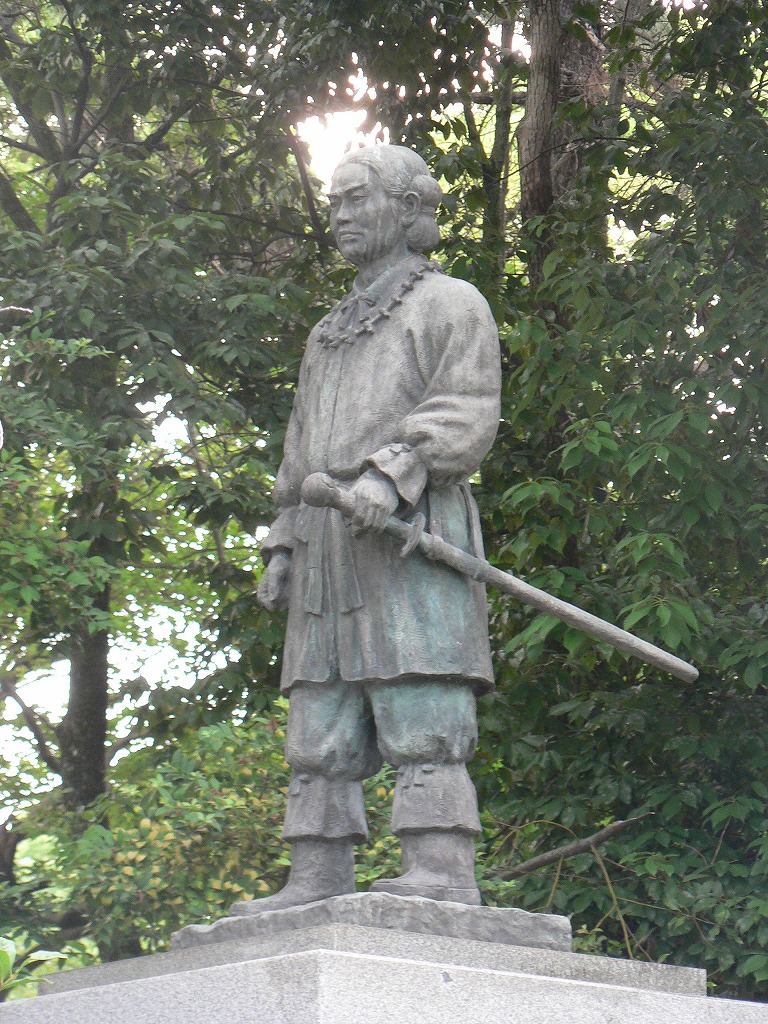
Legend of Yamato Takeru: Japan’s Ancient Hero
When travelers think of Japanese history, minds often drift to the stoic samurai of the Edo period or the courtly elegance of Heian Kyoto. However, digging deeper into the bedrock of Japanese folklore reveals a figure who stands as the archetype of the tragic hero: Yamato Takeru (倭建命). Often compared to King Arthur or Hercules, his story is a violent, magical, and sorrowful journey that defined the early expansion of the Yamato dynasty.
For culture enthusiasts and history buffs exploring Japan, understanding Yamato Takeru unlocks the significance of some of the country’s most sacred shrines and the Imperial Regalia itself.
Origins: History or Myth?
Yamato Takeru is a central figure in Japan’s oldest historical records, the Kojiki (Records of Ancient Matters, 712 AD) and the Nihon Shoki (Chronicles of Japan, 720 AD). Born as Prince Ousu, he was the son of the 12th Emperor, Keiko.
Historians generally agree that Yamato Takeru was likely not a single historical individual. Instead, he is viewed as a composite figure—a legendary amalgamation of several generals and warriors who lived during the 4th century. His tales served a political purpose: to legitimize the Yamato court’s dominance over the unruly tribes of the Kumaso in the south and the Emishi in the east. Despite his ambiguous historicity, his cultural impact is very real.
The Legend of the Warrior Prince
A Violent Beginning
According to the Kojiki, the prince’s story began with brutality. His father, Emperor Keiko, asked him to reprimand his elder brother for missing meals. Instead, the prince killed and dismembered him. Terrified by his son’s ferocity, the Emperor sent him on dangerous military campaigns, secretly hoping he would not return.
The Maid and the Sword
One of the most famous episodes occurred in the west against the Kumaso leaders. Disguising himself as a beautiful maiden during a banquet, the prince waited until the leaders were drunk before revealing a hidden dagger and slaying them. Impressed by his prowess, the dying leader bestowed upon him the title “Yamato Takeru” (The Brave of Yamato).
Later, before heading east, his aunt, the high priestess of Ise, gave him a holy sword (originally the Ame-no-Murakumo-no-Tsurugi) and a bag of flint. This sword would save his life in the province of Sagami. When a treacherous warlord set fire to a grassland to trap him, Takeru used the sword to cut the grass away and the flint to set a counter-fire. The sword was renamed Kusanagi-no-Tsurugi (The Grass-Cutting Sword) and became one of the Three Sacred Treasures of the Imperial House of Japan.
The White Bird
The hero’s end was as tragic as his life was violent. After provoking the god of Mount Ibuki, he fell fatally ill. He died yearning for his homeland, composing poetry about the mountains of Yamato. Legend says his soul transformed into a great white bird (Shiratori), which flew away from his tomb, leaving the physical body behind.
Modern Culture and Legacy
Yamato Takeru remains a potent symbol of martial valor and loyalty. In the pre-WWII era, he was featured on Japanese currency, representing the ideal of service to the Emperor.
In contemporary pop culture, references to him are ubiquitous. He appears in major video game franchises like Shin Megami Tensei and Persona, often depicted wielding the Kusanagi sword. The “Grass-Cutting Sword” itself appears in countless anime, from Naruto to Sailor Moon, cementing the prince’s gear as iconic artifacts in the global imagination.
Traveler’s Tips: Walking in the Footsteps of the Hero
If you want to connect with this ancient legend, there are specific sites in Japan that are deeply tied to his story.
1. Atsuta Shrine (Nagoya)
This is the most significant site associated with the legend. Atsuta Jingu acts as the repository for the Kusanagi-no-Tsurugi. While the public cannot see the sacred sword (it remains hidden even from the high priests), the shrine grounds are majestic and offer a profound sense of history. It is the second most important shrine in Japan after Ise Jingu.
2. Otori Shrine (Osaka)
Located in Sakai City, this shrine is dedicated to Yamato Takeru. It is said to be the place where the “White Bird” (his soul) eventually landed after his death. The peaceful grounds offer a quiet respite from the bustle of Osaka.
3. Mount Ibuki (Shiga/Gifu Border)
For the adventurous hiker, Mount Ibuki offers stunning views and a physical challenge. This is the site of Takeru’s final, fatal confrontation with a local deity. A statue of the prince stands near the summit, overlooking the lands he sought to conquer.
Sources & Further Reading
To fully appreciate the depth of these stories, consider reading translations of the primary texts:
- The Kojiki: Translated by Basil Hall Chamberlain or Donald L. Philippi. This text focuses more on the mythology and the emotional journey of the prince.
- The Nihon Shoki: Translated by W.G. Aston. This text provides a more historical, chronological account of the Yamato dynasty.
- Japanese Mythology: By Piggott, Juliet. A great overview for those new to the subject.
Yamato Takeru’s story is a reminder that the beautiful landscapes of Japan are layered with stories of blood, magic, and sorrow. Visiting these sites with his legend in mind adds a rich narrative dimension to your travel experience.