
Hitotsume-kozo: Unveiling Japan’s Mischievous One-Eyed Monk
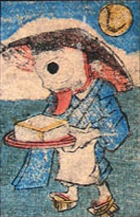
Imagine walking down a quiet, dimly lit street in Edo-period Japan. You see a young boy, perhaps a novice monk, standing alone in the shadows. Concerned, you call out to him. As he turns around to face you, your concern turns to shock. The boy has no nose and no mouth—just a single, massive eye in the center of his forehead and a long tongue lolling out. You have just encountered the Hitotsume-kozo (一つ目小僧).
Unlike the more malevolent spirits of Japanese folklore, the Hitotsume-kozo is generally considered a nuisance rather than a lethal threat. Yet, his distinct appearance and deep roots in rural tradition make him one of the most recognizable figures in the pantheon of yōkai (supernatural entities). In this guide, we explore the origins, legends, and modern footprint of this cyclopean prankster.
Origins and Etymology
The name Hitotsume-kozo translates literally to “One-Eyed Priest Boy.” The breakdown is simple: Hitotsume means “one eye,” and Kozo refers to a young Buddhist monk or an apprentice. In traditional depictions, he appears as a child, roughly ten years old, with a shaved head typical of a novice monk. He wears traditional robes, sometimes carrying a lantern or a block of tofu.
Folklore scholars believe the Hitotsume-kozo may have origins in the degradation of ancient deities. In Shinto beliefs, nature spirits sometimes possessed a single eye. As these beliefs evolved or were overshadowed by Buddhism, these once-revered mountain gods (yama-no-kami) were demoted in the public consciousness, transforming into the mischievous yōkai we know today.
Another theory suggests a connection to the Tofu-kozo, another small monk-like yōkai that carries a plate of tofu. Over time, the legends of these two spirits have blurred, with Hitotsume-kozo often depicted carrying tofu to lure hungry travelers before startling them with his cyclopean gaze.
The Legend of the Basket and the Bad Days
While the Hitotsume-kozo is famous for simply surprising people, he is closely tied to specific dates on the lunar calendar known as Kotoyōka (typically the 8th of December and the 8th of February). These dates marked the beginning and end of agricultural festivals and were considered times when the barrier between the spirit world and the human world was thin.
The Mekago Ward
According to legend, Hitotsume-kozo would wander through villages on these nights, checking ledgers or marking houses with bad luck (and sometimes setting them on fire). To protect their homes, villagers developed a specific charm involving a bamboo basket called a mekago.
The villagers would hang a bamboo basket upside down on top of a tall bamboo pole in front of their houses. The reasoning was twofold:
- The Many Eyes: The woven pattern of the basket creates hundreds of small holes, or “eyes.” It was believed that the one-eyed goblin would see these hundreds of eyes and flee in terror, feeling outnumbered.
- The Compulsion to Count: Other versions of the legend state that the yōkai is compelled to count the holes. However, with only one eye, the shifting perspective makes it impossible to finish counting before dawn, keeping the spirit occupied outside the home until the sun drives him away.
Modern Culture and Media
In contemporary Japan, the Hitotsume-kozo has shed much of his ominous reputation, evolving into a beloved character in pop culture. He is a staple in the yōkai genre, often appearing as a cute or bumbling sidekick rather than a terrifying monster.
- Anime and Manga: He appears frequently in Shigeru Mizuki’s seminal work, GeGeGe no Kitaro, often serving as a background character or a comic relief ally to the protagonist. He also features in the wildly popular franchise Yo-kai Watch.
- Karuta Cards: In traditional Obake Karuta (monster playing cards), the Hitotsume-kozo is a standard card, ensuring that Japanese children learn about him from a young age.
Traveler’s Tips: Where to Find the One-Eyed Monk
If you are traveling to Japan and wish to immerse yourself in the world of yōkai, there are specific destinations where the Hitotsume-kozo is celebrated.
1. Mizuki Shigeru Road (Sakaiminato, Tottori)
This is the ultimate pilgrimage site for yōkai lovers. The hometown of manga artist Shigeru Mizuki features a street lined with over 170 bronze statues of spirits, including a charming statue of Hitotsume-kozo. It is a fantastic photo opportunity and a way to see how the town embraces its supernatural heritage.
2. Yokai Street (Kyoto)
Located on Ichijo-dori in Kyoto, this shopping street is dedicated to the “Night Parade of One Hundred Demons.” The shopkeepers create homemade yōkai monsters to display in front of their stores. You can often find depictions of the one-eyed monk here, and the annual yōkai costume parade often features participants dressed as him.
3. Zenyō-ji Temple (Tokyo)
While less tourist-centric, some temples in the Kanto region have associations with the legend. Historically, the area around classic Edo (Tokyo) was a hotspot for sightings, and visiting old shrines in the Yotsuya neighborhood can evoke the atmosphere of the ghost stories of the past.
Sources & Further Reading
For those interested in delving deeper into the history of Japanese monsters, the following texts and collections are essential:
- Gazu Hyakki Yagyō (The Illustrated Night Parade of a Hundred Demons) by Toriyama Sekien (1776): This is the foundational text for visual depictions of yōkai, including the Hitotsume-kozo.
- Kaidan Collections: Various Edo-period ghost story anthologies often feature encounters with one-eyed spirits.
- The Yanagita Kunio Guide to the Japanese Folk Tale: Yanagita Kunio is the father of Japanese folklore studies and provides context on the transition from mountain god to goblin.
Whether you view him as a fallen god or a playful prankster, the Hitotsume-kozo remains a fascinating symbol of how Japan preserves its mysteries, one wink at a time.