
Unveiling the Nana Fushigi: A Journey into Japan’s Seven Mysteries
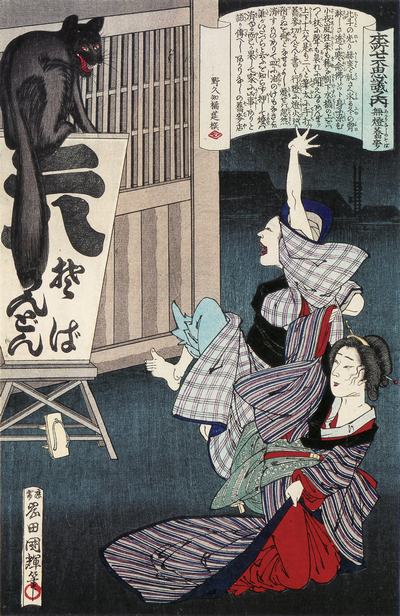
Japan is a land where the ultra-modern skyline of Tokyo sits comfortably beside ancient shrines and deep-rooted superstitions. For travelers fascinated by the occult and the eerie, nothing captures the imagination quite like the “Nana Fushigi” (七不思議), or the “Seven Mysteries.” These are not merely tall tales; they are a collection of local legends attached to specific areas, schools, or temples, serving as a chilling reminder of the spirit world that reportedly coexists with the living.
From the historic streets of the Edo period to the hallways of modern anime, the concept of the Seven Mysteries is a cultural staple. Let’s peel back the layers of history and hauntings to explore this fascinating aspect of Japanese folklore.
The Origins of the Seven Mysteries
The term Nana Fushigi originally stems from a Buddhist concept referring to the seven wonders or unexplainable phenomena of the world. However, as Japanese culture evolved during the Edo period (1603–1867), the term was adapted to categorize local ghost stories and strange occurrences.
During the Edo era, Kaidan (ghost story) gatherings were a popular summer pastime. People would gather to light candles and tell chilling tales to cool the blood during the humid months. It became a trend for every locality, village, and later, schools, to establish their own set of “Seven Mysteries.” Interestingly, in many local traditions, there is a superstition that if one were to learn or witness all seven mysteries, a terrible catastrophe or even death would befall them. Consequently, many locals will only ever recount six, leaving the seventh shrouded in deliberate secrecy.
The Legend: The Seven Mysteries of Honjo
While there are countless variations of Nana Fushigi across Japan, the most famous historical example is the Honjo Nana Fushigi (The Seven Mysteries of Honjo). Located in what is now Sumida Ward in Tokyo, this area was a bustling samurai district that birthed some of the most enduring weird tales.
Here are three of the most prominent mysteries from the Honjo collection:
1. The Whispering Canal (Oiteke-bori)
Perhaps the most famous legend involves a moat where fishermen would catch a bounty of fish. As they prepared to leave, a disembodied voice would echo from the dark water, whispering, “Oiteke…” (Leave them behind…). If the fishermen ignored the voice and fled, they would arrive home to find their baskets empty—or worse, lose their souls.
2. The Beckoning Light (Okuri-chochin)
Samurai walking alone at night would see a lantern approaching them, similar to a paper lantern carried by a servant. Grateful for the light, they would follow it, but the lantern would always stay just out of reach. If they tried to chase it, it would vanish, leaving them stranded in pitch darkness, often near a cliff or a ditch.
3. The Unfallen Leaf of the Reed (Katah-ha no Ashi)
It is said that in a specific area of Honjo, the reeds grow leaves on only one side. The legend ties back to a tragic murder or a lover’s suicide, where the spiritual resentment was so strong it deformed the local flora, preventing the reeds from ever growing whole again.
Modern Culture and Anime
The concept of Nana Fushigi has transcended oral tradition to become a major trope in modern Japanese pop culture. If you are a fan of anime or manga, you have likely encountered the “Seven Mysteries of the School.”
Almost every fictional Japanese school in media has a version of these legends. The most ubiquitous figure is Hanako-san of the Toilet, a spirit of a young girl who haunts the third stall of the third-floor girls’ bathroom. Popular series like Jibaku Shonen Hanako-kun (Toilet-Bound Hanako-kun) have turned these creepy legends into characters that are surprisingly charming, bridging the gap between horror and fantasy for a younger generation.
Video games and J-Horror movies also frequently utilize the “collecting of seven items/mysteries” as a narrative device, proving that the Edo-period fascination with numbered lists of the supernatural is still very much alive.
Traveler’s Tips: Hunting the Mysteries
For travelers wanting to experience the atmosphere of the Nana Fushigi, a visit to the Sumida Ward in Tokyo is essential.
- Location: Head to the Ryogoku area. While the original moats and samurai residences are largely gone, the local tourism board has embraced the legends.
- The Hunt: You can find street markers and plaques describing the Seven Mysteries of Honjo scattered throughout the neighborhood. It makes for a fantastic, off-the-beaten-path walking tour.
- Oiteke-bori: Kinshicho Park is often cited as a location related to the “Whispering Canal” legend.
- Best Time to Visit: To get the full atmospheric effect, visit during Obon season (mid-August), when the veil between the living and the dead is believed to be thinnest, and ghost stories are most popular.
Sources & Further Reading
To deepen your understanding of the spiritual foundations of these legends, one must look at the roots of Japanese mythology. The animistic belief that nature and locations possess spirits (Kami) is foundational to the Nana Fushigi.
- The Kojiki (Records of Ancient Matters): The oldest extant chronicle in Japan, detailing the origins of the kami and the supernatural nature of the Japanese archipelago.
- The Nihon Shoki (The Chronicles of Japan): Offers a more historical approach but retains the mythological elements that explain the Japanese relationship with the unseen world.
- Kwaidan by Lafcadio Hearn: For English speakers, this is the definitive collection of Japanese ghost stories, capturing the eerie atmosphere of the era when the Seven Mysteries were most popular.