
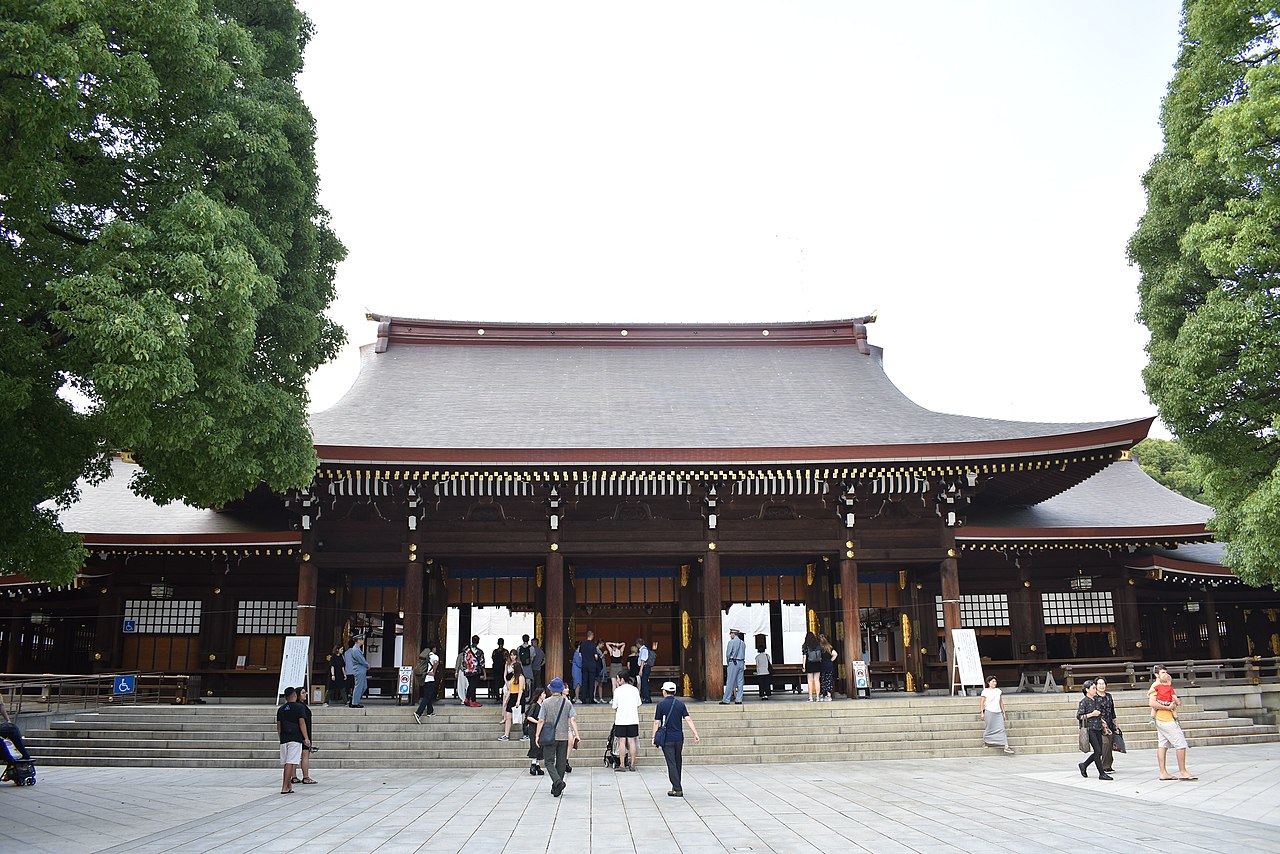
Meiji Jingu: Finding Peace in Tokyo’s Eternal Forest
If you stand at the bustling intersection of Harajuku, surrounded by kawaii fashion and the neon pulse of Tokyo, it is hard to imagine that just a few steps away lies a seventy-hectare forest of profound silence. This is the magic of Meiji Jingu (Meiji Shrine), a spiritual oasis that serves as the heart of Tokyo’s Shinto culture. For travelers, it is not just a sightseeing stop; it is a transition from the profane to the sacred, marked by the crunch of gravel underfoot and the scent of ancient cypress.
Origins: A Monument to Modernization
Unlike many of Japan’s ancient shrines that date back a millennium, Meiji Jingu is a product of the 20th century, yet it carries the weight of a turning point in history. The shrine was dedicated to the deified spirits of Emperor Meiji and his consort, Empress Shoken.
Emperor Meiji was the figurehead of the Meiji Restoration (1868), a period that saw Japan transition from a feudal isolationist state into a modern global power. When the Emperor passed away in 1912 and the Empress in 1914, the public clamored for a way to honor their virtues.
Construction began in 1915 and was completed in 1920. However, the lush forest surrounding the shrine is perhaps the true architectural marvel. It was not a natural woodland but a planned forest created by 110,000 volunteers who planted over 100,000 trees donated from across the Japanese empire. The vision was to create an “eternal forest” that would regenerate itself without human intervention. Today, walking beneath the canopy of towering camphor and cedar trees, one witnesses the success of that century-old ecological experiment.
Legend and Spirituality
While Meiji Jingu does not feature the ancient mythological origin stories found in texts like the Kojiki, it is steep in the spiritual mysticism of Shinto, Japan’s indigenous religion. In Shinto, Kami (gods or spirits) reside in nature—in trees, rocks, and wind. The shrine is considered a massive “Power Spot” (pawa-supotto), a location flowing with elemental energy.
The Mystery of Kiyomasa’s Well
Within the shrine’s Inner Garden (Gyoen) lies a specific point of legendary intrigue: Kiyomasa’s Well (Kiyomasa no Ido). Legend holds that this well was dug by Kato Kiyomasa, a famous samurai warlord and castle architect of the 16th century. Unlike most wells in Tokyo, this spring maintains a constant temperature of around 15 degrees Celsius year-round and has never dried up. It is widely believed that taking a photo of this well and using it as a phone wallpaper brings immense good fortune and financial success, drawing believers from all over the country.
Modern Culture and Traditions
Meiji Jingu is not a relic of the past; it is a living center of modern Japanese culture. It is the most popular location in Japan for Hatsumode—the first shrine visit of the New Year. During the first three days of January, over three million people congregate here to pray for safety and prosperity, creating a sea of humanity that is surprisingly orderly.
Throughout the year, lucky visitors may witness a traditional Shinto wedding procession. The bride, dressed in a white shiromuku kimono, and the groom, in formal montsuki, walk solemnly under red parasols led by Shinto priests and shrine maidens (miko). It represents the beautiful continuity of tradition amidst a hyper-modern city.
Another visual icon of the shrine is the Kazaridaru—the wall of sake barrels. These barrels are donated annually by sake brewers from around the country as offerings to the deities. Opposite them, you will see barrels of wine, consecrated by Emperor Meiji, who was known for enjoying Western culture and wine, symbolizing the blend of Japanese tradition and Western modernization.
Traveler’s Tips for Visiting
To experience Meiji Jingu like a local, follow these etiquette tips and recommendations:
- The Torii Bow: Before passing through the massive wooden Torii gates (some of the largest in Japan), stop and bow once to show respect to the kami.
- Walk on the Side: The center of the gravel path, called the Sei-chu, is traditionally reserved for the gods. Visitors should walk along the sides of the path.
- Temizuya Ritual: Before entering the main hall, purify yourself at the water pavilion. Rinse your left hand, then your right, rinse your mouth, and finally rinse the handle of the ladle.
- The Offering: When praying, gently toss a coin into the offering box. A 5-yen coin (go-en) is considered lucky because it sounds like the Japanese word for “relationship” or “connection.”
- Timing: Arrive early. The gates open at sunrise. Visiting at 6:00 or 7:00 AM allows you to experience the forest in mystical solitude before the crowds arrive.
Sources & Further Reading
For those interested in diving deeper into the spiritual context of Shinto and the history of the Imperial family, the following texts and resources are recommended:
- The Kojiki (Records of Ancient Matters): While Meiji Jingu is modern, the rituals performed here are rooted in this 8th-century text which details the origins of the Imperial line and the Shinto gods.
- The Nihon Shoki (The Chronicles of Japan): A classical history book that complements the Kojiki, offering a more historical perspective on the lineage of the Emperors.
- Meiji Jingu: The Architecture of the Spirit (Various architectural guides on Nagare-zukuri style).
- Sacred Space in the Modern City: The Fractured Pasts of Meiji Shrine by Yoshiko Imaizumi.