
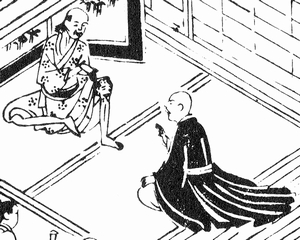
Jinmenso: The Eerie Legend of the Human-Faced Tumor
Japan is a country where the line between the physical world and the spiritual realm is often blurred. For travelers and culture enthusiasts, the allure of Japan lies not just in its cherry blossoms and temples, but in its yokai (monsters) and folklore. Among the myriad of strange creatures, few are as visceral and disturbing as the Jinmenso (人面疽), or the Human-Faced Tumor. This grotesque affliction is more than just a ghost story; it is a cultural reflection of guilt, karma, and the inescapable nature of the past.
Introduction to the Strange Disease
Imagine discovering a lump on your body, only to realize it has eyes, a nose, and a mouth. Even worse, imagine it talking to you, demanding food, and complaining. This is the horror of the Jinmenso. In Japanese folklore, the Jinmenso is a boil or tumor that resembles a human face.
Unlike other yokai that inhabit mountains or rivers, the Jinmenso is intimate and parasitic. It manifests on the human body, usually on the knee, thigh, or arm. It is said to cause immense pain, which only subsides when the “face” is fed. This strange phenomenon blends body horror with moral lessons, making it a unique subject in the pantheon of Japanese supernatural history.
Origins of the Phenomenon
The concept of the Jinmenso is deeply rooted in Buddhist philosophy regarding karma and retribution. While Western horror often focuses on external monsters, Japanese horror frequently looks inward. The Jinmenso is not a random occurrence; it is almost always a physical manifestation of a sin commit by the host.
Historically, medical conditions that caused swelling or odd discolorations might have been rationalized by superstitions. However, the Jinmenso took on a life of its own in the Edo period (1603–1867), where literature and art began to depict these tumors not as medical oddities, but as spiritual curses. It represented the idea that the spirits of those wronged could physically attach themselves to their tormentors.
The Legend of the Vengeful Spirit
The most famous account of the Jinmenso comes from the classic collection of weird tales, Otogi Boko (1666).
The Story of the Farm
According to the legend, a man killed his wife out of rage. Shortly after her death, a large boil formed on his knee. Over time, the boil developed distinctive human features—specifically, the face of his murdered wife. The tumor was sentient; it would cry out in pain and speak to him, reminding him of his crime.
Crucially, the tumor required sustenance. If the man did not feed the mouth on his knee, the pain would become unbearable. He was forced to share his meals with the parasitic face, living in constant reminder of his guilt. The story goes that he tried various medicines and prayers to remove it, but nothing worked. It was only after a long pilgrimage and sincere atonement at a temple that the face finally closed its eyes and vanished, leaving behind only a scar.
This narrative structure highlights the cultural belief that spiritual debts must be paid, often through physical suffering.
Modern Culture and Media
Today, the Jinmenso has transitioned from folklore to a staple of Japanese pop culture, particularly in horror manga and anime.
- Manga and Anime: The legendary