
Kajika: The Singing River Spirit of Japanese Folklore
Deep in the verdant valleys of Japan, where the moss is thick and the streams run clear, travelers often stop in their tracks, arrested by a hauntingly beautiful sound. It is a high-pitched, trembling whistle that echoes through the twilight, reminiscent of a deer calling out to its mate. However, if one follows the sound to the water’s edge, they will not find a mammal, but a small, unassuming amphibian—or, according to legend, a spirit known as the Kajika.
While the world knows Japan for its cherry blossoms and bustling cities, the auditory landscape of its rural folklore is equally captivating. The Kajika (河鹿), or “River Deer,” occupies a unique space between biological reality and supernatural myth.
The Origins of the ‘River Deer’
The name Kajika is a poetic compound of two kanji characters: River (河) and Deer (鹿). This etymology is not accidental. In classical Japanese culture, the call of the deer was considered one of the most melancholic and beautiful sounds in nature, often associated with autumn and longing.
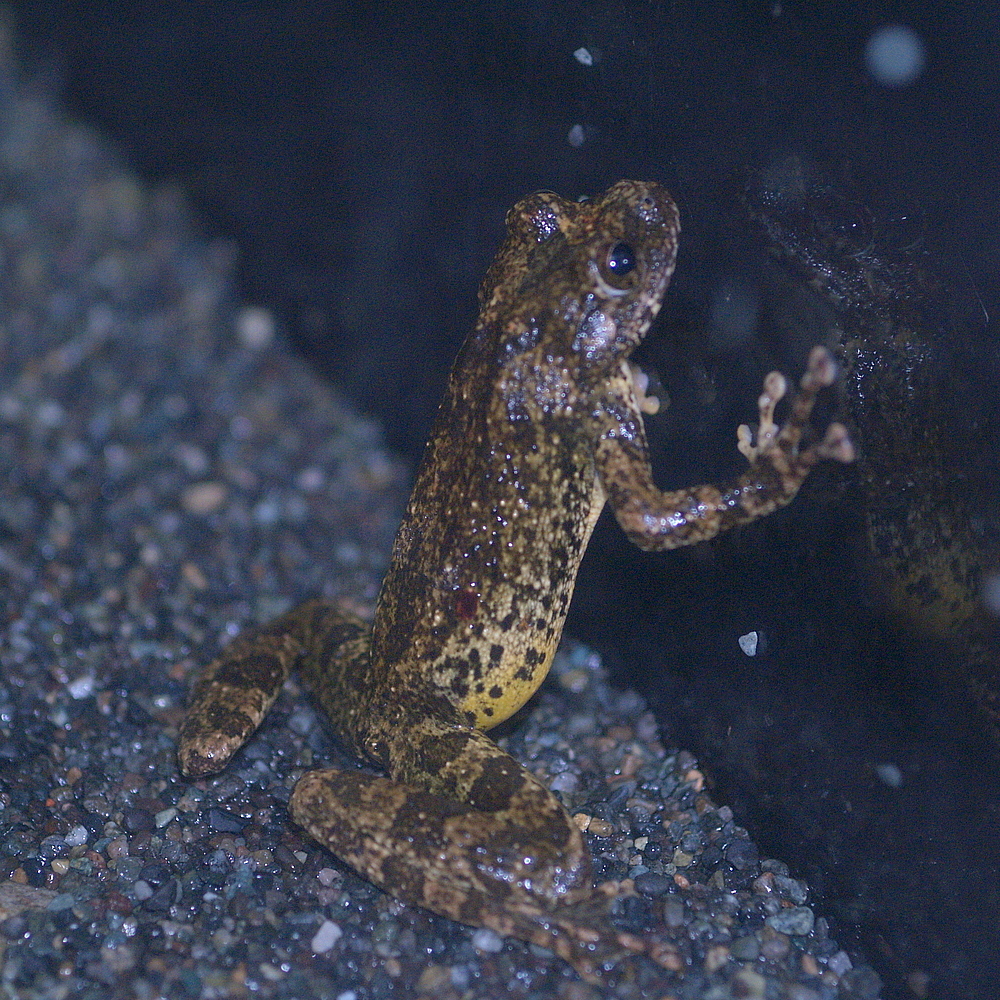
Biologically, the creature behind the name is the Buergeria buergeri, or the Kajika Frog. Unlike the croaking bullfrogs of the West, the Kajika emits a bird-like trill that ancient poets found indistinguishable from the deer’s cry. Because these frogs reside in rushing mountain streams and are masterfully camouflaged among river stones, they were rarely seen, only heard. This invisibility fueled the imagination of the ancients, transforming a small amphibian into a mysterious presence—a spirit of the river that sang with the voice of a beast.
Legends of the Kajika
As with many creatures in Japan, the Kajika transcends its biological classification to become a Yokai (spirit or monster). In the Edo period, the famous ukiyo-e artist and folklorist Toriyama Sekien solidified the Kajika’s supernatural status in his seminal work, Gazu Hyakki Yagyo (The Illustrated Night Parade of a Hundred Demons).
Sekien depicted the Kajika not merely as a frog, but as a hybrid creature with the body of a frog and the hairy head of a deer, standing on its hind legs near the water. This imagery literalized the name “River Deer” and gave the elusive sound a physical form.
Folklore suggests that the Kajika is a benign spirit, though one that commands respect for nature. It is said that the Kajika only sings in the purest of waters. In some local legends, the Kajika is the manifestation of a drowning victim’s soul, singing a sorrowful tune to warn others of the river’s current. In others, it is a musical rival to human flute players. There are stories of komuso monks (mendicant flutists) playing their shakuhachi by the river, only to stop in shame when the Kajika’s song proved more beautiful and complex than their own.
Modern Culture and Symbolism
Today, the Kajika remains a beloved symbol of the Japanese summer, particularly the early summer season known as shoka. Because the Kajika Frog is highly sensitive to pollution, its presence—and its song—is used as a bio-indicator of a pristine environment. If you hear the Kajika, you know the water is clean enough to drink.
The spirit of the Kajika permeates modern media as well. In video games like Animal Crossing or Nioh, the Kajika appears either as a collectible treasure or a minor spirit entity, continuing its legacy as a creature of value and mystery. Furthermore, the term has bled into culinary language; “Kajika-zake” involves infusing sake with the flavors of river fish (though this often refers to the sculpin fish, which shares the same name, the cultural association with the river’s bounty remains).
Traveler’s Tips: Seeking the Sound
For the cultural traveler, “hunting” the Kajika is an auditory adventure rather than a visual one. Here is how you can experience this living piece of folklore:
- Timing is Key: The Kajika sings from late May through August. The best time to listen is at dusk or early dawn.
- Location Matters: You will not find them in urban rivers. You must venture to the mountainous regions. Kibune and Kurama in the mountains north of Kyoto are famous spots. The clear streams of Gunma Prefecture and the Japan Alps are also prime territories.
- Stay at a Ryokan: Booking a riverside Ryokan (traditional inn) in a remote area often guarantees a concert. Many high-end ryokans pride themselves on the natural soundtrack of the Kajika provided by the adjacent streams.
- Listen, Don’t Look: Trying to spot the frog/spirit usually results in silence, as they are easily spooked. The culturally appropriate way to enjoy the Kajika is to sit quietly by the riverbank, close your eyes, and let the “voice of the river deer” transport you back to the Edo period.
Sources & Further Reading
To deepen your understanding of the Kajika and its place in Japanese mythology, consider exploring the following texts:
- The Manyoshu (Collection of Ten Thousand Leaves): Japan’s oldest anthology of poetry contains numerous references to the “kawazu” (frogs) and their singing, establishing the literary tradition of appreciating these sounds.
- Gazu Hyakki Yagyo (The Illustrated Night Parade of a Hundred Demons) by Toriyama Sekien: For the visual origin of the Kajika as a deer-headed yokai.
- Kwaidan by Lafcadio Hearn: While focusing on ghosts, Hearn’s works provide excellent context on how the Japanese view the spirits of nature and insects.
The Kajika is more than just a frog; it is the voice of the Japanese landscape itself—elusive, beautiful, and enduring.